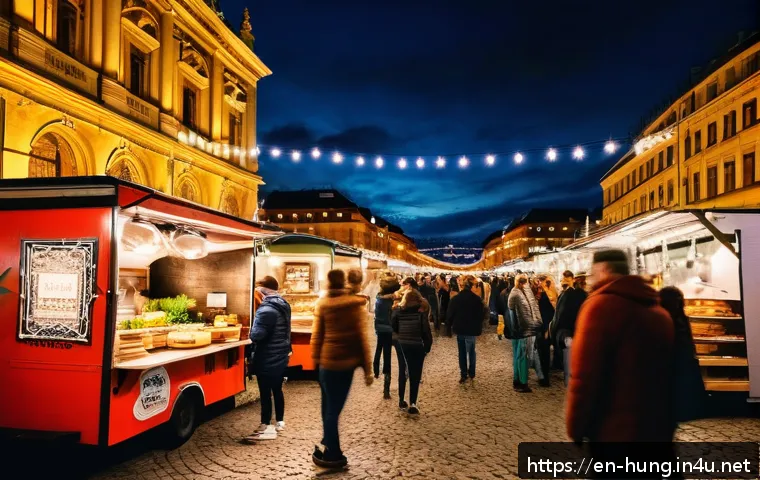
Remember those bewildering early days of the pandemic? It felt like the world collectively held its breath, trying to figure out how to respond to an unprecedented global challenge.
While many of us focused on our own communities, I’ve often wondered how different countries navigated such a turbulent time, especially places like Hungary, which might not always grab global headlines.
From what I’ve seen, their approach was a fascinating mix of rapid public health measures and some rather unique political shifts, impacting everything from daily life to the economy.
It’s clear that their journey through COVID-19 offers some truly valuable insights into resilience, governance, and even how societies adapt for future crises.
So, if you’re curious about the real story behind Hungary’s pandemic response, and what lessons we can all take away, let’s dive in and explore exactly what happened.
The Initial Whirlwind: Rapid Adjustments and Public Health Moves
When the news of the pandemic first started trickling in, it felt like a distant rumble, something happening far, far away. But then, almost overnight, it was on our doorstep, and I remember that collective gasp as the reality set in.
Hungary, like many nations, had to react with incredible speed, and honestly, seeing how quickly things shifted was both alarming and, in a strange way, a testament to human adaptability.
The government declared a state of emergency on March 11, 2020, which felt like a significant turning point, signaling that life as we knew it was about to change dramatically.
Borders quickly closed, and suddenly, the familiar flow of international travel ceased, leaving many of us with family or plans abroad feeling a profound sense of isolation.
The formation of the Hungarian Operational Group, led by key ministers and public health officials, was a visible sign of a coordinated effort, and I personally remember trying to follow their daily briefings for any glimmer of hope or clarity.
It truly felt like we were all in uncharted waters, hoping someone knew how to steer the ship.
Early Containment Strategies
In those frantic early days, the focus was, understandably, on containment. I recall the immediate push for social distancing and the emphasis on protecting our older population, a vulnerable group close to many of our hearts.
There was a nationwide effort to prepare the healthcare sector, which, let’s be honest, felt like a monumental task given the unknowns. They even got prisoners involved in producing sanitary masks, a unique detail that really stuck with me – a collective national effort, even from unexpected corners.
Public health officials worked tirelessly, tracing contacts and urging self-isolation for those exposed, which, while necessary, brought its own set of anxieties and disruptions to daily routines.
These measures, though restrictive, were seen as crucial in those initial weeks to try and flatten the curve, allowing the healthcare system a fighting chance.
It was a period of high alert, and everyone, from families to businesses, felt the weight of these swift, sweeping changes.
The Everyday Impact of Lockdowns
The lockdowns, when they truly hit, transformed our towns and cities. I remember walking through once-bustling streets that were eerily quiet, the sounds of everyday life replaced by an unsettling stillness.
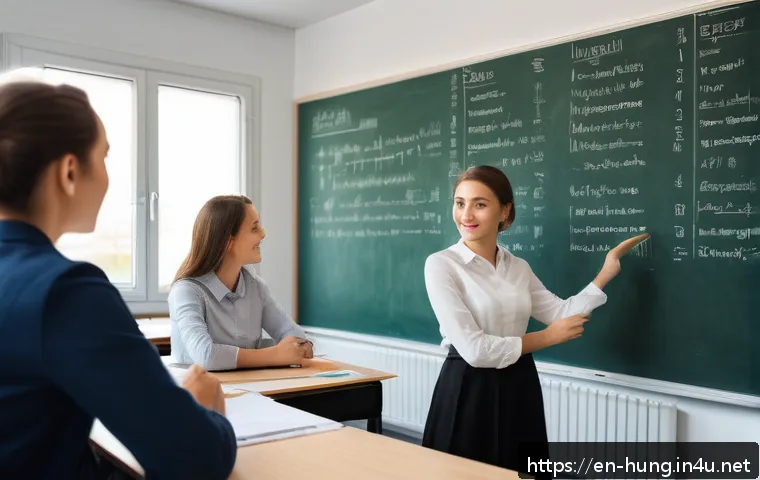
Schools closed their doors, forcing an abrupt shift to digital learning, which was a huge adjustment for everyone involved – parents, teachers, and especially the kids.
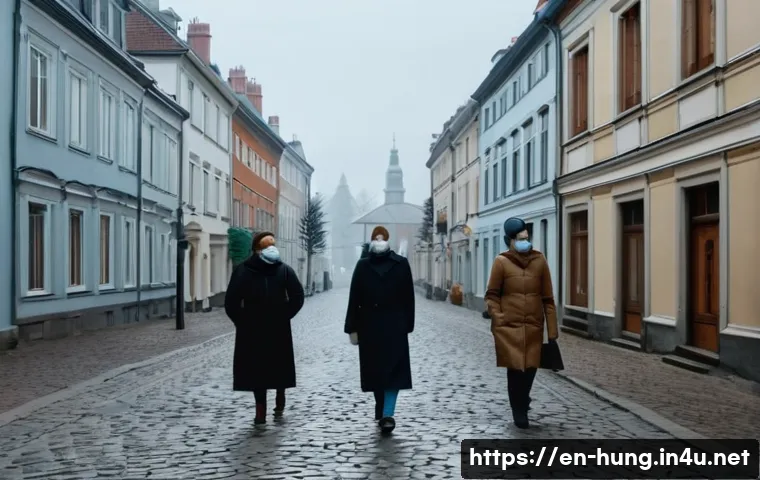
Essential businesses remained open, but queues were managed, and masks became an indispensable part of our attire. For a while, even public assemblies were completely banned, which, if you think about it, profoundly impacted our social fabric, limiting everything from protests to casual gatherings with friends.
It was a strange mix of fear and quiet determination, as we all tried to navigate this new, restricted normal, hoping that these sacrifices would ultimately pay off.
Keeping the Economy Afloat: Balancing Health and Livelihoods
The economic ripple effects of the pandemic were almost immediate, hitting businesses and individuals hard. I worried constantly about local shops and restaurants, seeing so many of them struggle, and I often wondered how they would ever recover.
The government, to its credit, seemed to understand the gravity of the situation, rolling out a series of aid schemes and support measures that were quite substantial.
It wasn’t just about keeping the lights on; it was about trying to maintain some semblance of stability in a truly unstable world. We saw everything from tax reliefs to job creation programs, all aimed at cushioning the blow.
My friends who ran small businesses breathed a sigh of relief when they heard about some of these initiatives, even if they knew it was just a temporary fix.
It was a constant balancing act, trying to protect public health while also preventing a complete economic meltdown.
Support for Businesses and Individuals
I remember discussing with friends how crucial government support felt during those uncertain months. The aid schemes, totaling billions of euros, were designed to inject much-needed liquidity into the economy, helping businesses cover their immediate needs and keep their employees.
There were specific measures for small and medium-sized enterprises (SMEs), including reductions in local business tax and direct grants to help with loan costs.
For individuals, there were initiatives like wage subsidy programs and a temporary suspension of loan repayment conditions for both individuals and businesses, which was a massive relief for many.
I personally know people who benefited from these, and it truly made a difference in their ability to weather the storm without losing everything. The overall approach, favoring tax reliefs and job creation over austerity, seemed to provide a significant impetus to growth, helping Hungary’s economy bounce back more robustly than it did after the 2008 financial crisis.
The Tourism Sector’s Struggle and Resilience
The tourism sector, a vibrant part of Hungary’s economy, was absolutely decimated, and it was heartbreaking to see. Budapest, usually buzzing with international visitors, became incredibly quiet.
Hotels stood empty, tour operators had no bookings, and the lively ruin bars and thermal baths, usually brimming with people, felt desolate. This wasn’t just about big corporations; it was about countless small businesses, tour guides, artists, and families whose livelihoods depended on visitors.
While general economic support helped, the lack of international travel was a blow that few could fully recover from without a significant shift in circumstances.
However, I also saw incredible resilience. Local businesses pivoted, focusing on domestic tourism when possible, and many tried to innovate, offering virtual experiences or adapting their services for a local clientele.
It was a tough, tough period, but the spirit of entrepreneurship and adaptability shone through.
Beyond the Numbers: How Society Coped and Connected
Looking back, the pandemic wasn’t just about infection rates and economic indicators; it was deeply personal. It shifted the very fabric of our daily lives, forcing us to rethink how we connect, how we work, and how we simply exist.
I experienced that strange mix of fear and solidarity firsthand. The concept of “social distancing,” which felt so foreign at first, quickly became our new normal, and it changed the way we interacted with everyone around us.
There was an undeniable sense of shared experience, a quiet understanding that we were all in this together, even if we were physically apart.
Community Spirit and New Norms
I often observed how communities, despite the physical barriers, found new ways to come together. Neighbors checked in on each other, often leaving groceries at doorsteps for the elderly or those in quarantine.
While official gatherings were banned, I saw impromptu acts of kindness and support emerge. The rules around masks and distancing, which were initially met with some confusion, gradually became ingrained habits, a silent agreement we all made to protect one another.
Walking down the street, it was common to see people making an effort to give each other a wide berth, a small but significant gesture of collective responsibility.
It wasn’t always perfect, of course, but that underlying sense of shared purpose helped us navigate the strangeness of it all.
Mental Well-being in Isolation
The mental health toll was, for me, one of the most significant and often understated impacts. The isolation, the constant worry, the uncertainty about the future – it all weighed heavily.
I heard stories from friends struggling with loneliness, and I personally felt the anxiety of crowded environments for a long time afterward. Studies even showed a significant percentage of international students in Hungary reporting feelings of loneliness and isolation, which really hit home how widespread this struggle was.
It wasn’t just about avoiding the virus; it was about navigating a new emotional landscape where normal social outlets were restricted. We learned to rely more on digital connections, but it was never quite the same as a real hug or a face-to-face chat.
The pandemic truly highlighted the importance of mental well-being and the need for support systems in times of crisis.
The Great Vaccine Race: Hungary’s Approach to Immunization
When vaccines finally started to emerge, it felt like a beacon of hope after such a long, dark tunnel. Hungary’s approach to vaccination was particularly interesting, standing out a bit from some of its EU counterparts.
I remember the debates and discussions around which vaccines were being procured and the speed at which they were being rolled out. It wasn’t a straightforward path, but the goal was clear: get as many people protected as quickly as possible.
Procurement and Distribution Challenges
Hungary made headlines for being one of the first EU countries to start using non-EU approved vaccines, specifically China’s Sinopharm and Russia’s Sputnik V, alongside the more commonly seen Pfizer-BioNTech, Moderna, and AstraZeneca.
This decision, while controversial for some, was driven by a desire to accelerate the vaccination process. I recall the mixed feelings among people; some were relieved to get any vaccine, while others expressed concerns about the lack of EU approval for some of the options.
The logistics of distributing multiple types of vaccines, ensuring proper storage, and setting up mass vaccination centers must have been a monumental task.
They managed to vaccinate millions of people during the third wave in early 2021, a truly impressive feat.
Public Acceptance and Hesitancy
Public acceptance was a big factor, and it really varied from person to person. While many eagerly lined up for their jabs, there was also an element of hesitancy, especially concerning the non-EU approved vaccines.
I remember conversations where people debated the efficacy and safety of different options, weighing the available information and, often, their personal trust in various sources.
Polling data at the time even suggested lower public trust in the non-EU approved vaccines. Despite this, the overall drive for immunization continued, and more recently, updated vaccines for newer variants, like Moderna’s Spikevax JN.1, have become available, emphasizing an ongoing commitment to public health.
It’s a testament to the persistent nature of viruses that even now, years later, we’re still adapting our defenses.
| Aspect of Response | Key Measures & Approaches | Impact / Outcome |
|---|---|---|
| Initial Public Health | State of Emergency, Border Closures, Social Distancing, Operational Group, Mask Production | Rapid containment, reduced initial spread, significant disruption to daily life. |
| Economic Support | €1.55B Aid Scheme, Tax Reliefs, Wage Subsidies, Loan Repayment Suspension | Prevented deeper recession, faster recovery than 2008 crisis, maintained employment. |
| Vaccination Strategy | Procurement of diverse vaccines (EU and non-EU approved), Mass Vaccination Centers | Accelerated vaccination pace, strong coverage during critical waves, faced public trust challenges. |
| Education Adaptation | Mandatory Digital Learning, School Closures, Curriculum Adjustments | Maintained education continuity for many, highlighted digital divide and learning challenges for disadvantaged students. |
| Governance & Powers | Emergency Powers by Decree, Suspension of Parliament, Criminalization of Misinformation | Enabled rapid decision-making, raised international concerns about democratic oversight and civil liberties. |
Shifting Political Tides: Governance During a Crisis
The pandemic, as it did in so many places, also brought significant political shifts to the forefront in Hungary. I remember watching with a mix of fascination and unease as the government moved to implement emergency powers.
It felt like a rapid centralization of authority, all in the name of swift crisis management, and it certainly sparked a lot of debate both at home and abroad.
It truly highlighted how a public health crisis can intersect with and sometimes reshape the political landscape in profound ways.
Emergency Powers and Public Scrutiny
When the government passed a law granting the Prime Minister special powers to tackle the crisis, it immediately drew attention. This included the ability to rule by decree, which effectively allowed the executive to bypass parliament on certain issues, and initially, there was no specified end date.
While supporters argued these measures were necessary for a rapid response, critics, including members of the European Parliament, voiced concerns about potential abuses of power and a “democratic backslide.” I remember discussions among my friends about the balance between efficiency in a crisis and maintaining democratic checks and balances.
The law even introduced jail terms for intentionally spreading misinformation, which added another layer of complexity to public discourse during an already confusing time.
It was a period of intense scrutiny, with every decree and every action being dissected for its implications beyond just public health.
International Relations and Vaccine Diplomacy
Hungary’s approach to vaccine procurement, particularly its early adoption of non-EU approved vaccines, undeniably played into its international relations.
It was a clear example of “vaccine diplomacy,” showcasing a willingness to forge partnerships beyond traditional EU channels to secure doses. While some saw it as a pragmatic move to protect its citizens faster, it also created friction with the European Commission, which initially excluded these vaccines from its “Vaccine Passport” plans.
I personally felt that this highlighted a tension between national sovereignty and broader European coordination during a global crisis. It showed that even in a pandemic, geopolitics plays a significant role in how nations respond and how they position themselves on the global stage.
Life Transformed: Adapting to a “New Normal”
The phrase “new normal” became a common refrain, and for good reason. Life in Hungary, as everywhere else, was fundamentally transformed by the pandemic.
It wasn’t just about temporary restrictions; it was about a profound shift in how we lived, worked, and learned. I still find myself reflecting on how quickly we adapted and what lasting legacies these changes have left on our society.
It felt like we all went through a crash course in resilience and adaptation, whether we wanted to or not.
Education in the Digital Age
One of the most immediate and impactful changes for many families, including some I know personally, was the abrupt shift to digital education. Schools closed their doors quite suddenly in March 2020, and teachers and students had to pivot to online learning with very little preparation.
I can only imagine the chaos in households with multiple children, trying to manage different online platforms and schedules, often with limited devices and internet access.
It really exposed the digital divide, especially for disadvantaged students who lacked the necessary resources at home. Teachers, many of whom were untrained in digital pedagogy, also had to quickly learn new skills, often relying on self-organized support groups.
While universities had a bit more time to prepare, they too faced challenges with online learning and the closure of physical resources like libraries.
It was a stark reminder that while technology offers solutions, equitable access and proper training are absolutely crucial.
Future-Proofing for What’s Next
Looking back, the pandemic certainly forced us to confront our vulnerabilities and think about how to “future-proof” our society. The experience underscored the need for robust public health infrastructure, adaptable educational systems, and resilient economies.
I believe there’s a collective understanding now that crises can emerge rapidly and unpredictably, and that preparedness isn’t just a buzzword. Discussions about boosting digital skills, investing in vocational training, and improving infrastructure are ongoing, all with an eye toward making Hungary more resilient to future shocks.
We learned tough lessons about global supply chains, the importance of local production, and the critical role of community support. While we all hope to never experience anything quite like it again, the lessons learned from Hungary’s journey through COVID-19 are undeniably valuable for building a more prepared and adaptable future.
Wrapping Things Up
As we look back on those turbulent years, it’s clear that the pandemic was more than just a public health crisis; it was a profound human experience that tested our limits and redefined our understanding of community, resilience, and adaptability. In Hungary, like so many other places, we witnessed firsthand the remarkable spirit of people navigating unprecedented challenges, from rapid government responses to the quiet heroism of everyday citizens. It truly felt like a shared journey, one that left an indelible mark on all of us, reminding us of both our fragilities and our incredible capacity to overcome.
Useful Information to Know
1. Prioritize Digital Literacy: The sudden shift to remote work and online learning highlighted the critical importance of digital skills. Investing time in learning new platforms and tools isn’t just for emergencies; it’s an essential skill for navigating our increasingly digital world, offering flexibility and new opportunities in your career and personal life. I personally found myself diving deep into collaboration tools I’d barely touched before, and it opened up so many possibilities.
2. Cultivate Strong Community Ties: During times of isolation, the value of local communities shone brightest. Building connections with your neighbors and supporting local businesses creates a vital safety net and a sense of belonging. I remember how much small acts of kindness meant during the lockdowns, and it’s something we should always strive to maintain.
3. Embrace Adaptability in All Aspects: Life can throw curveballs when you least expect it. Whether it’s pivoting your business strategy, adjusting your career path, or simply finding new ways to socialize, being flexible and open to change is a superpower. The pandemic forced us all to innovate, and that lesson in adaptability is one I’ll carry forward.
4. Focus on Mental Well-being: The mental health impact of extended periods of stress and isolation cannot be overstated. Make self-care a non-negotiable part of your routine, whether it’s through mindfulness, exercise, or seeking professional support. Recognizing when you need help and reaching out is a sign of strength, not weakness.
5. Stay Informed, Critically: In an age of information overload, developing critical thinking skills to evaluate sources and discern factual information from misinformation is more crucial than ever. Rely on reputable sources, question sensational headlines, and engage in thoughtful discussions to form well-rounded perspectives. It’s tough, but absolutely necessary.
Key Takeaways
Reflecting on Hungary’s experience during the COVID-19 pandemic offers some really profound insights into how nations, and individuals, respond to a global crisis. The rapid implementation of emergency health measures, while challenging, showed a decisive commitment to public safety, though it certainly sparked important conversations about governance and oversight. Economically, the government’s swift aid packages and job creation schemes were crucial in cushioning the blow, allowing for a more robust recovery than some might have expected. The vaccination strategy, marked by its diversified procurement approach, underscored a pragmatic determination to protect citizens quickly, even if it meant navigating complex international dynamics and public sentiment. Perhaps most enduringly, the societal shifts—from the unexpected rise of digital education to the heightened awareness of mental health—have fundamentally reshaped our daily lives. These aren’t just historical footnotes; they’re vital lessons in preparedness, resilience, and the ever-present need for empathy and connection in an unpredictable world. It’s a reminder that even in the face of immense adversity, humanity finds a way to adapt, innovate, and ultimately, move forward, forever changed but hopefully, stronger.
Frequently Asked Questions (FAQ) 📖
Q: Hungary’s initial response to the pandemic seemed quite swift. What were some of the immediate public health measures they took, and how did that actually feel on the ground for everyday Hungarians?
A: Oh, I remember those first few weeks vividly. It felt like the world collectively slammed on the brakes, and Hungary was no exception. Their government moved pretty fast, I’d say.
Early on, in March 2020, they declared a “state of danger,” which essentially gave them broad powers to tackle the emerging crisis. I recall borders quickly closing to non-Hungarian citizens, and anyone returning had to quarantine.
Public events, from concerts to sporting matches, were prohibited, and suddenly, universities switched to online learning, with schools and kindergartens following suit not long after.
For folks living there, it meant a drastic change to daily life. Imagine your favorite café or restaurant closing its doors by 3 PM, with only essential shops like grocery stores and pharmacies staying open later.
Social distancing wasn’t just a suggestion; it became the new normal. While mask-wearing wasn’t always mandatory everywhere right away, I saw many people in Budapest adopting it voluntarily, especially in the quieter-than-usual city streets.
Google data even showed a significant drop in public transport and retail activity. There was also a noticeable increase in police and military presence, and soldiers were even deployed to hospitals, which for many, underscored the seriousness of the situation.
It was a really unsettling time, full of uncertainty, but there was also a sense of collective effort to protect one another.
Q: Beyond the health crisis, the prompt mentioned “unique political shifts.” How did the pandemic truly reshape Hungary’s political landscape and its economy, and what were the long-term ripple effects?
A: This is where Hungary’s pandemic story takes a rather distinct turn, and honestly, it’s a part that raised quite a few eyebrows internationally. The government, under Prime Minister Viktor Orbán, introduced what became known as the “Enabling Act” in March 2020.
This law controversially allowed the government to rule by decree, initially without a clear end date, essentially bypassing parliamentary oversight for many decisions.
I remember the discussions around it; critics, including many human rights organizations and even some EU bodies, voiced strong concerns about democratic backsliding, fearing it was a power grab.
We saw elections suspended and even new offenses created, like criminalizing the dissemination of “false” or “distorted” facts, which naturally sparked fears about media freedom and silencing critical voices.
While the initial “state of danger” was eventually lifted, the government later introduced similar measures under different names, like a “medical emergency,” which continued to give the executive significant powers.
Economically, the country, which had seen strong growth pre-pandemic, took a hit like most others. Industries heavily reliant on exports, tourism, and highly cyclical sectors like automotive saw significant job losses.
I recall hearing about various government measures to soften the blow, such as wage subsidies, tax reductions for specific sectors like tourism and catering, and even temporary rent exemptions for businesses.
However, the national public debt also increased significantly. What was particularly striking was how some of these economic measures, like cuts to budgets for opposition-led municipalities, also had political undertones, further fueling the debate about the government’s intentions.
Q: Given everything Hungary went through, what unique lessons or insights can we glean from their experience that might help other countries prepare for future global challenges?
A: Looking back, Hungary’s journey through the pandemic offers some incredibly valuable, albeit sometimes challenging, insights. One notable aspect was their proactive approach to vaccination.
Hungary was among the first EU countries to acquire and deploy non-EU approved vaccines, like Russia’s Sputnik V and China’s Sinopharm, which allowed them to accelerate their vaccination campaign at a time when EU-wide supplies were tight.
I remember thinking this was a bold move, and it meant they were also the first in Europe to offer a third “booster” dose to anyone who wanted it, regardless of their priority group, which really showed a different philosophy in vaccine rollout.
However, the bigger lessons, in my opinion, lie in the delicate balance between crisis management and democratic principles. Hungary’s extensive use of emergency powers sparked considerable debate globally, highlighting how crucial it is for a government’s response to remain proportionate, time-limited, and subject to robust oversight, even in unprecedented times.
It was a stark reminder that while rapid decision-making is vital, sacrificing checks and balances can have long-term implications for democratic institutions and civil liberties.
The pandemic also painfully exposed and, in some cases, exacerbated existing social inequalities within Hungary. So, for other countries, I’d say the key takeaway is a dual one: be ready to innovate and act decisively on public health, but always, always safeguard the democratic framework and human rights that underpin a resilient society.
Finding that sweet spot, that balance, is the real challenge for any future crisis.