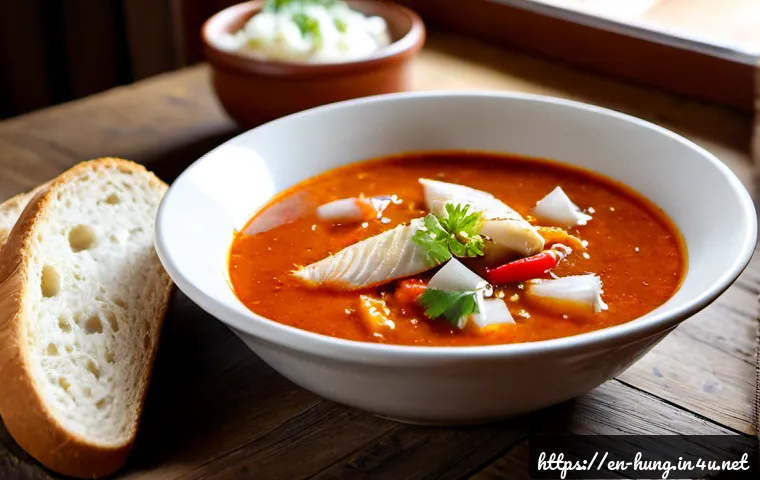
Halászlé is a traditional Hungarian fish soup with a deep red paprika broth, freshwater fish, and a level of heat that can range from gentle to bold. It is especially associated with Hungary’s Danube and Tisza river regions, where riverside fishing communities shaped local versions of the dish.
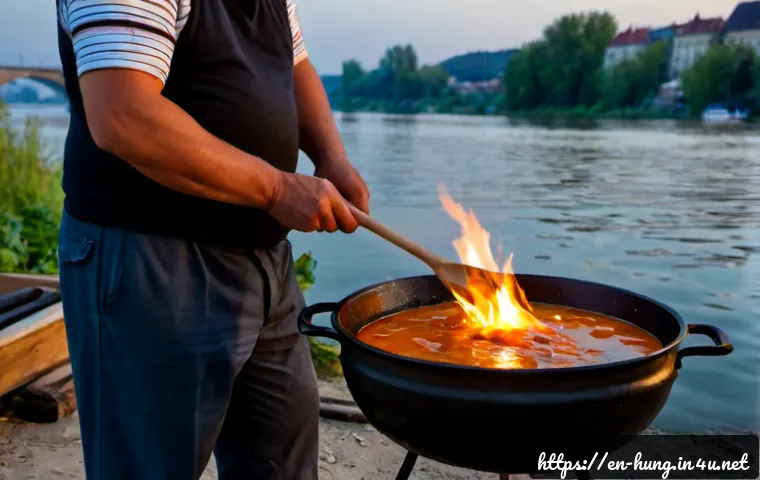
For a smoother, broth-led bowl, look for Szeged-style halászlé; for noodles and a more rustic presentation, Baja-style is often the better match. It is not a mild, creamy fish soup, so first-time diners should expect paprika, onion, fish, and possible bones in every serving.
When choosing a restaurant, the regional style, fish listed on the menu, portion description, and recent diner details can be more useful than price alone.
Home cooks should also treat halászlé as a flexible regional tradition rather than a recipe with only one correct version.
At a Glance
- Taste: A rich freshwater fish soup flavored with paprika and onions, often with noticeable spicy heat.
- Where it is associated: Halászlé is strongly linked with Hungarian riverside food culture around the Danube and Tisza.
- Which style to choose: Choose Szeged-style for a smoother red broth, or Baja-style if you want the noodle service commonly called gyufatészta.
| Decision Point | Szeged-Style Halászlé | Baja-Style Halászlé |
|---|---|---|
| Broth | Commonly associated with a smoother, strained fish base and a deep red paprika broth. | Often presented as a more rustic, fish-forward regional preparation. |
| Noodles | Noodle service is not the main feature commonly used to identify this style. | Often served with thin homemade noodles known as gyufatészta. |
| Fish texture | The smoother base may appeal to diners who want the broth to feel more unified. | A good fit for diners looking for a more direct fish-and-broth experience. |
| Heat | Can be spicy, but the exact level depends on the cook or restaurant. | Can also be spicy; ask before ordering if you prefer a gentler bowl. |
| Best fit | Travelers who prefer a smooth, paprika-led soup. | Din ers who specifically want noodles with their regional fish soup experience. |
What Makes Halászlé Different From Other Fish Soups?
Halászlé is defined less by one fixed recipe than by its Hungarian combination of freshwater fish, onions, and paprika. Its striking red color and warming heat make it immediately different from pale, creamy, or lightly seasoned fish soups. It is a traditional dish often connected with riverside fishing communities, so its character naturally changes with regional ingredients and local cooking habits.
The Role of Paprika, Onions, and Freshwater Fish
Hungarian paprika gives halászlé its recognizable color and much of its flavor identity. Onions provide a savory foundation, while freshwater fish brings the main body to the soup. Carp, catfish, and pike-perch are common possibilities, although the fish used can depend on availability and local tradition.
This is useful to know when reading a Hungarian restaurant menu. A listing that names the fish can help set expectations about texture and flavor. If the menu is brief, ask which freshwater fish is used that day and whether the broth is prepared in a local regional style.
Flavor, Texture, and Expected Spice Level
Expect a soup that is paprika-rich, onion-based, and fish-forward. The broth may feel smooth or more rustic depending on the style and the restaurant’s preparation. Spice is part of halászlé’s reputation, but there is no universal heat level. One kitchen may make it approachable for most diners, while another may offer a much fierier bowl.
Do not order it expecting a creamy seafood chowder or a mild clear broth. Also, be prepared for fish bones. Their presence does not automatically indicate poor preparation; it can simply reflect the type of fish and the serving style. If bones are a concern, ask before ordering rather than making assumptions from the menu description alone.
Szeged vs. Baja: The Main Regional Styles Compared
The simplest practical difference is this: Szeged-style halászlé is commonly associated with a smoother, strained fish base, while Baja-style halászlé is widely linked with thin homemade noodles. Both belong to the wider Hungarian fish soup tradition, and both can be deeply red, paprika-led, and spicy.
Smooth Broth Versus Rustic Fish-Forward Preparation
Szeged-style halászlé is commonly recognized for a smoother broth made from a strained fish base. This can make it an appealing option for diners who want a more blended soup texture while still tasting the paprika and freshwater fish clearly. Its deep red broth is one of the visual signals many visitors expect from Hungarian fish soup.
Baja-style service is often understood as more rustic and direct. The precise fish, broth texture, and seasoning still vary by kitchen, so it is better to view the label as a useful regional guide rather than a guarantee of one exact bowl. There is no single universally accepted original recipe that every restaurant must follow.
Why Noodles Are Commonly Linked With Baja-Style Service
Baja-style halászlé is often served with thin homemade noodles called gyufatészta. For many travelers, this is the easiest menu detail to recognize. If noodles are an important part of the experience you want, Baja-style is the most natural choice to look for.
Still, check how the restaurant serves them. Noodles may be described separately, included with the soup, or handled according to the house’s own practice. A quick question about noodle service can prevent disappointment, especially if you are choosing between a riverside restaurant, a market stall, or a more formal Hungarian dining room.
How to Order Halászlé at a Hungarian Restaurant
Ordering well comes down to asking a few direct questions: what fish is used, how spicy it is, whether bones are likely, and whether noodles are part of the serving. These details matter more than trying to find a supposedly perfect or universal version.
Questions to Ask About Fish, Bones, and Spice
Start with the fish. Carp, catfish, and pike-perch may all appear in halászlé, but a restaurant’s selection can change based on local availability. If you have a strong preference for a particular fish texture, ask the staff which fish is in the current preparation.
Then ask about bones. Fish bones can be easy to overlook when a diner is focused on the broth, especially on a first visit. It is also sensible to ask whether the kitchen can describe the heat level. “Spicy” is subjective, and a restaurant’s regular version may be stronger than you expect.
Portion Size, Sharing, and Menu Price Considerations
Restaurant prices and portion sizes vary by location, season, and the type of freshwater fish used. Instead of assuming that a higher-priced bowl is automatically better, compare what is actually described: fish type, portion details, noodle inclusion, and the stated regional style.
If you are dining with others, check whether the menu presents halászlé as an individual bowl or a larger serving format. Recent diner details can also be helpful for understanding whether a restaurant is known for its regional preparation, generous fish portions, or a broth-first approach. Compare local menus, portion descriptions, and recent diner details before booking.
Cooking and Serving Tips for First-Time Home Cooks
For a first attempt, focus on balance rather than chasing an “official” recipe. Halászlé varies among households, towns, and restaurants, so the goal is to understand its core: freshwater fish, onion, paprika, and a broth with the level of heat you enjoy.
Choosing Suitable Freshwater Fish
Carp, catfish, and pike-perch are among the fish commonly used in halászlé. The most suitable choice will depend on what is available locally and which texture you prefer. Since regional recipes are not identical, using one of these freshwater fish options is more meaningful than trying to copy a single fixed ingredient list.

Before cooking, consider how comfortable your guests are with fish bones. This affects not only the eating experience but also which fish and serving approach may suit your table best. A traditional-looking dish is less enjoyable if diners are surprised by something that could have been discussed in advance.
Common Mistakes With Paprika, Heat, and Overcooking Fish
Do not treat paprika as decoration. It is central to halászlé’s color and flavor, but the final balance depends on the cook. Add heat thoughtfully, especially when cooking for people who are unfamiliar with spicy Hungarian food. A bowl can be bold without becoming unpleasantly hot for everyone at the table.
Another common problem is losing the fish texture through overcooking. Since fish is the centerpiece, it should not disappear into an overly harsh or muddled broth. Keep the soup’s main identity clear: paprika depth, onion savoriness, and recognizable freshwater fish.
When and Where Halászlé Is Most Worth Trying
Halászlé is especially worth seeking out when you are traveling through areas connected with the Danube or Tisza river regions. A regional menu can offer more context than a generic listing, particularly when the restaurant identifies its style as Szeged or Baja.
Food Markets, Riverside Restaurants, and Regional Menus
Food markets, riverside restaurants, and regional Hungarian menus can all be useful places to look, but each setting may offer a different experience. A riverside restaurant may emphasize local food traditions, while a market setting may be a convenient way to encounter Hungarian dishes during daytime travel. A restaurant with a clear regional menu may be the easiest place to compare Szeged-style and Baja-style signals before ordering.
Look for menu language that gives useful details rather than vague labels. Fish type, paprika emphasis, noodle service, and regional naming all help you decide whether the bowl matches your interests. If you are arranging a Hungarian culinary tour or a food-focused itinerary, include enough flexibility for seasonal availability and changing fish selections.
Travelers, Spice Lovers, and Diners Who May Prefer Another Dish
Halászlé is a strong choice for travelers who enjoy freshwater fish, paprika-driven dishes, and regional food traditions. It is also a natural pick for spice lovers, although the exact heat should always be checked with the restaurant.
It may be less suitable for diners who dislike fish bones, strongly avoid spicy food, or expect a creamy soup. In those cases, choosing another Hungarian dish is not a failure to eat authentically. A good food travel experience is about selecting dishes that fit your own preferences while understanding what the local specialty is meant to be.
Choosing the Right Halászlé Experience: A Comparison Summary
Choose Szeged-style if a smoother, strained fish base and deep red paprika broth sound most appealing. Choose Baja-style if thin homemade noodles are an essential part of your ideal bowl. If your travel route takes you near the Danube or Tisza, prioritize regional menus that explain their preparation rather than relying only on a broad “Hungarian fish soup” label.
Best Choice by Flavor Preference, Travel Route, and Dining Budget
For a broth-focused meal, Szeged-style is the more obvious starting point. For a noodle-linked regional service, Baja-style is the clearer choice. For travelers comparing restaurant options, value is not only about the menu price: consider the listed fish, the portion description, the restaurant’s regional focus, and whether the serving details match what you want to try.
Quick Checklist Before Ordering or Booking
Check these points before making your choice:
- Regional style: Is the soup described as Szeged-style, Baja-style, or simply house-style?
- Fish: Does the menu identify carp, catfish, pike-perch, or another freshwater fish?
- Texture: Are you looking for a smoother broth or a more rustic fish-forward bowl?
- Noodles: Are gyufatészta noodles included, separate, or not part of the serving?
- Comfort level: Have you checked spice and fish bone expectations?
Compare local menus, portion descriptions, and recent diner details before booking. For current serving details and restaurant conditions, check the relevant restaurant or tour page directly.
In Closing
Halászlé is one of Hungary’s most recognizable regional soups because it brings together freshwater fish, onions, paprika, and river-region food culture. Its red broth may look simple at first, but the differences between Szeged-style and Baja-style service can change the entire experience. Ask about fish, bones, heat, and noodles before ordering. That small amount of planning makes it easier to choose a bowl that suits your taste.
Useful Things to Know
1. Halászlé is usually associated with freshwater fish rather than a general mixed seafood style.
2. Baja-style service is commonly linked with thin homemade noodles called gyufatészta.
3. Spice levels vary, even when two restaurants use the same regional name.
4. Fish bones are worth asking about before a first order.
5. A regional label is helpful, but it does not mean every kitchen follows an identical recipe.
Important Notes
Exact ingredients, fish species, noodle service, broth texture, and spice level vary by household, town, and restaurant. Portion sizes and menu prices also change by location, season, and fish selection. There is no single universally accepted original version for every regional style, so confirm current details with the restaurant when those factors matter to your meal.
Frequently Asked Questions
Q1. What does halászlé taste like?
A1. Halászlé is generally rich, paprika-forward, onion-based, and centered on freshwater fish. It is known for its deep red color and spicy heat, although the exact flavor and heat level vary by cook and restaurant.
Q2. What is the difference between Baja-style and Szeged-style halászlé?
A2. Szeged-style halászlé is commonly associated with a smoother, strained fish base and a deep red paprika broth. Baja-style halászlé is often associated with thin homemade noodles called gyufatészta and a more rustic regional presentation.
Q3. Is halászlé very spicy, and is it suitable for first-time visitors to Hungary?
A3. It can be spicy, but there is no fixed heat level. It can be a good first Hungarian dish for visitors who enjoy paprika and freshwater fish, but ask about spice and bones if you prefer milder food or are unfamiliar with fish-based soups.