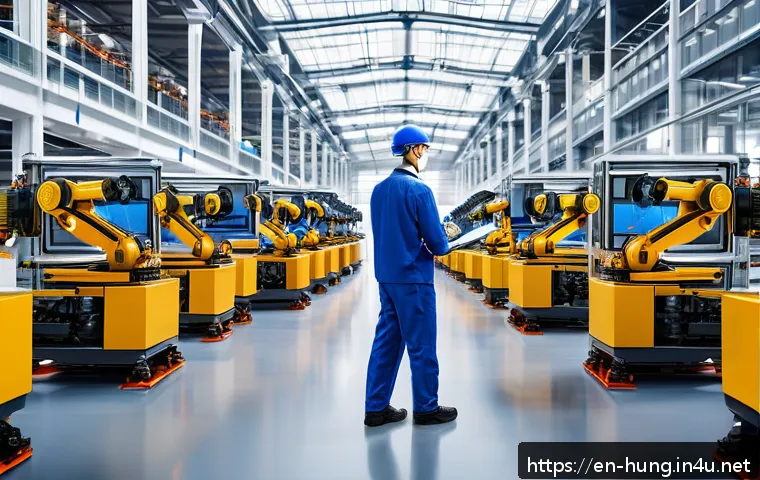
Welcome back to the blog! With ongoing debates about the future of the European Union and its expanding influence, it’s the perfect moment to dive into Hungary’s journey since joining the EU.
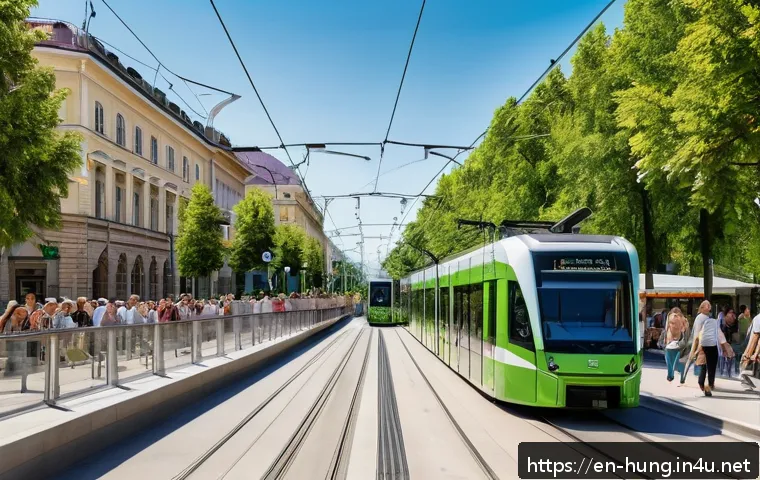
Over the years, Hungary’s EU membership has significantly reshaped its economic growth and political dynamics, offering a fascinating case study of transformation and challenge.
From market integration to shifting alliances, understanding this evolution reveals much about the broader European landscape today. Stick around as we unpack how these changes continue to impact Hungary’s role on the continental stage.
Economic Transformation Through EU Integration
Boost in Foreign Direct Investment
Since Hungary became an EU member, one of the most striking economic changes has been the surge in foreign direct investment (FDI). Companies from Western Europe and beyond have been drawn by Hungary’s strategic location, skilled workforce, and access to the single market.
Personally, I noticed how manufacturing hubs, especially in the automotive and electronics sectors, expanded rapidly post-accession. This inflow of capital didn’t just create jobs; it also introduced new technologies and management practices that helped modernize the local economy.
However, this dependence on external investors also means that Hungary’s economic fortunes are somewhat tied to broader EU market trends, which can be both a blessing and a challenge.
Market Access and Export Growth
The removal of trade barriers within the EU has been a game-changer for Hungarian exporters. Hungarian companies gained immediate access to a market of over 500 million consumers without customs duties or complex border checks.
I remember speaking with local exporters who told me how their sales volumes soared, especially in sectors like machinery, automotive parts, and food products.
This expanded market opportunity has been vital for Hungary’s GDP growth. Yet, competition also intensified, pushing local businesses to innovate and improve quality to remain competitive.
EU Funding and Infrastructure Development
One of the less visible but hugely impactful benefits has been the access to EU structural funds. These funds have financed countless infrastructure projects, from highways to urban development, improving connectivity and quality of life.
Walking through Budapest or other cities, you can see new roads, renovated public spaces, and upgraded utilities that would have been difficult to fund otherwise.
On the flip side, managing these funds effectively has sometimes been a political challenge, with debates around transparency and allocation priorities.
Political Landscape and Shifting Alliances
Changes in Domestic Politics
Hungary’s EU membership brought a fresh set of political dynamics at home. The promise of European integration initially aligned with reformist ambitions, pushing for rule of law improvements and democratic consolidation.
However, over time, political currents shifted, with some leaders adopting a more Eurosceptic stance. From my observation, this has created a complex political environment where pro-EU and nationalist sentiments coexist, often leading to heated debates about sovereignty, migration policies, and EU regulations.
Influence on Foreign Policy
Hungary’s role on the international stage has evolved as well. Aligning with the EU means Hungary participates in shaping broader European policies, but it also sometimes pursues its own distinct foreign policy goals.
For instance, Hungary has maintained close ties with countries outside the EU, balancing its commitments while safeguarding national interests. This balancing act can create friction but also opens channels for dialogue that might not exist otherwise.
Relations with EU Institutions
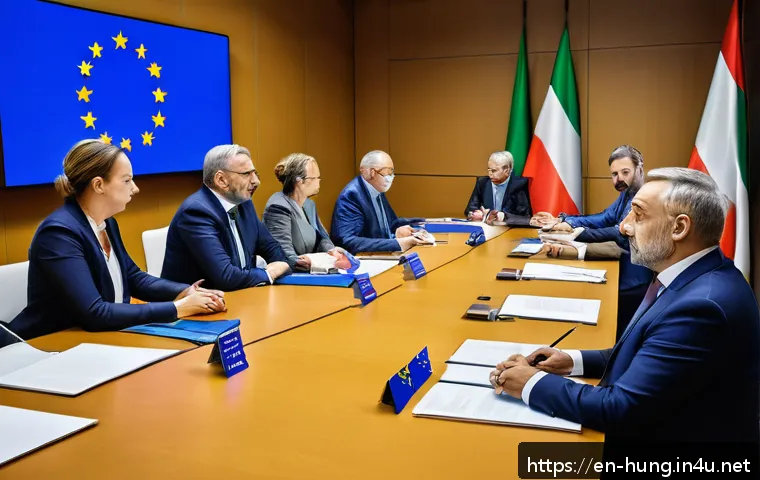
Hungary’s interactions with EU institutions have been a rollercoaster. While the country benefits from EU membership, it has also faced criticism and legal challenges from Brussels over issues like judicial independence and media freedom.
Experiencing this firsthand, I’ve seen how these tensions have sparked both domestic debates and international scrutiny. The evolving relationship underscores the challenges of balancing national sovereignty with supranational commitments.
Social and Cultural Shifts in a European Context
Mobility and Labor Migration
One of the most tangible changes for ordinary Hungarians has been the freedom to live and work across the EU. This mobility has opened up opportunities for many, especially younger generations seeking education and employment abroad.
I met several Hungarians who shared stories of working in Germany, Ireland, or the Netherlands, gaining valuable experience and sending remittances home.
At the same time, this migration has raised concerns about brain drain and demographic shifts within Hungary.
European Identity and Cultural Exchange
EU membership has also fostered a stronger sense of belonging to a broader European community. Cultural programs, educational exchanges, and cross-border cooperation projects have encouraged Hungarians to engage with diverse perspectives.
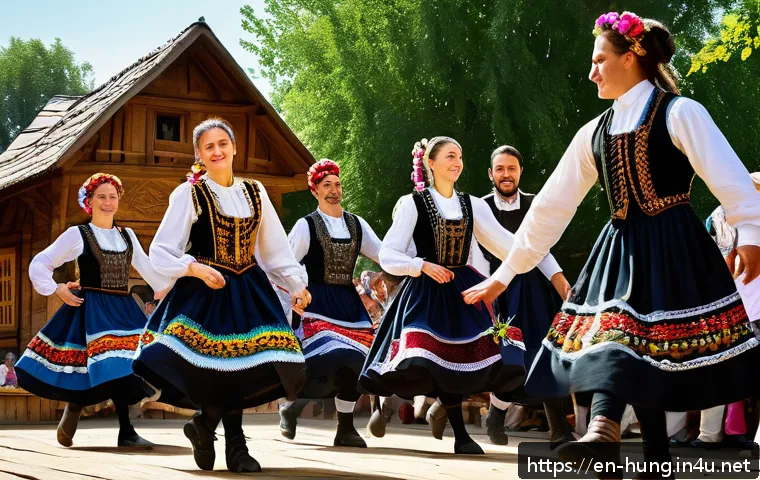
From my experience attending EU-sponsored cultural festivals, these initiatives have enriched local life and promoted mutual understanding. Nevertheless, there remains a delicate balance between embracing European identity and preserving national traditions.
Challenges of Integration
Despite the many benefits, integration hasn’t been seamless. Some communities feel left behind, struggling with unemployment or adapting to new economic realities.
The rapid pace of change has sometimes led to social tensions or resistance to EU-driven reforms. I recall conversations highlighting how rural areas, in particular, face hurdles accessing opportunities that urban centers enjoy.
Addressing these disparities remains a critical task for policymakers.
Hungary’s Economic Indicators Since Joining the EU
| Indicator | Pre-EU Membership (2003) | Post-EU Membership (2023) | Change |
|---|---|---|---|
| GDP per capita (USD) | 8,000 | 17,500 | +118% |
| Unemployment Rate (%) | 6.5 | 3.8 | -2.7% |
| Foreign Direct Investment (billion USD) | 1.2 | 5.7 | +375% |
| Export Volume (billion USD) | 20 | 110 | +450% |
| EU Funds Received (billion EUR) | 0 | 30 | +30 billion |
Impact on Hungary’s Role in the EU and Beyond
Emerging as a Regional Hub
Hungary’s strategic location has enabled it to become a regional economic and political hub within Central Europe. EU membership amplified this role, as Hungary now serves as a gateway for trade, finance, and cultural exchange between Western Europe and its eastern neighbors.
I’ve noticed how Budapest, in particular, attracts multinational companies and international conferences, reflecting this elevated status.
Participation in EU Decision-Making
As a member state, Hungary has a voice in shaping EU policies and regulations. While its influence might not rival that of larger countries, Hungary actively participates in various councils and committees.
From attending EU summits to negotiating trade agreements, the country uses its membership to push for policies aligned with its national interests. This involvement, however, requires constant navigation of alliances and compromises.
Balancing National and European Priorities
Hungary’s experience illustrates the ongoing challenge of balancing national sovereignty with European integration. The government’s approach often reflects a careful calibration between embracing the benefits of the EU and asserting independence on sensitive issues.
This duality shapes Hungary’s domestic policies and its interactions on the European stage, making its journey a compelling example of the complexities inherent in EU membership.
Future Prospects and Ongoing Debates
Economic Resilience and Innovation
Looking ahead, Hungary aims to build on its economic gains by fostering innovation and resilience. Investments in technology sectors, green energy, and digital infrastructure are priorities that could determine the country’s competitiveness within the EU.
In conversations with local entrepreneurs, I’ve sensed both optimism and caution, reflecting the need to adapt to rapidly changing global markets while leveraging EU support.
Political and Social Challenges
The political landscape remains dynamic, with debates about Hungary’s direction within the EU ongoing. Issues such as rule of law, migration, and media freedom continue to generate controversy.
From my perspective, these debates are essential for democracy but also highlight the tensions between national identity and European values that many member states face.
Role in European Integration Debates
Hungary’s stance on deeper EU integration is a subject of considerable discussion. While some advocate for closer union, others prefer maintaining more autonomy.
This debate reflects broader questions about the future shape of the EU itself. Observing Hungary’s position offers valuable insights into how diverse member states negotiate their place within an evolving European project.
Conclusion
Hungary’s journey since joining the EU has been marked by significant economic growth, political shifts, and social transformations. The integration has opened doors to new opportunities while presenting complex challenges that require careful navigation. As Hungary continues to balance national interests with European commitments, its experience offers valuable lessons on the evolving nature of EU membership.
Helpful Information
1. EU membership often leads to increased foreign investment due to improved market access and investor confidence.
2. Structural funds from the EU can significantly boost infrastructure development and public services.
3. Labor mobility within the EU provides valuable opportunities but may also cause demographic changes in home countries.
4. Political dynamics in member states can shift over time, reflecting tensions between national sovereignty and EU integration.
5. Active participation in EU decision-making allows smaller countries to influence policies while balancing alliances.
Key Takeaways
Hungary’s EU integration showcases how economic benefits, such as increased exports and investment, come hand in hand with political and social complexities. Successful membership requires adapting to both domestic challenges and supranational expectations. Continued focus on innovation, transparent governance, and inclusive growth remains essential for maximizing the advantages of EU membership while addressing its inherent tensions.
Frequently Asked Questions (FAQ) 📖
Q: uestions about Hungary’s EU MembershipQ1: How has Hungary’s economy changed since joining the European Union?
A: Since joining the EU in 2004, Hungary has experienced notable economic growth, largely due to increased access to the single market and substantial EU funding.
Foreign direct investment surged, especially in manufacturing and technology sectors, creating jobs and boosting exports. However, this growth has sometimes been uneven, with rural areas lagging behind urban centers like Budapest.
Overall, EU membership has provided Hungary with a more stable economic environment and greater integration into European supply chains.
Q: What political challenges has Hungary faced as an EU member?
A: Hungary’s political landscape has become more complex since joining the EU. While membership brought democratic reforms and stronger institutions initially, recent years have seen tensions arise over rule of law and media freedom, leading to clashes with EU bodies.
These conflicts reflect broader debates about sovereignty versus EU oversight. From my observation, Hungary’s government has balanced asserting national interests with the benefits of EU cooperation, creating a dynamic but sometimes contentious relationship.
Q: In what ways has EU membership influenced Hungary’s international alliances?
A: Being part of the EU has significantly shifted Hungary’s international alliances, anchoring it more firmly within the European community while also redefining its role on the global stage.
Hungary often aligns with EU policies but occasionally pursues independent stances, particularly regarding migration and relations with Russia. This dual approach reflects Hungary’s attempt to navigate between maintaining its national identity and leveraging EU membership for broader diplomatic and economic advantages.