Travelers heading to Hungary this year are discovering that a little insider knowledge can make a big difference when exchanging money. With fluctuating exchange rates and new regulations shaping the currency market, knowing where and how to convert your cash can save you more forints than you might expect.
Whether you’re planning a Budapest city break or exploring the Hungarian countryside, maximizing your spending power starts with smart currency exchange choices.
Stick around as we dive into practical tips that can help you get the best value and avoid common pitfalls—because every forint counts when you’re abroad!
Choosing the Right Place to Exchange Your Money
Understanding the Difference Between Banks, Exchange Offices, and ATMs
When you land in Hungary, your first instinct might be to exchange your currency at the airport or simply withdraw cash from an ATM. But here’s the thing—banks usually offer more reliable exchange rates compared to airport kiosks, which tend to have inflated fees and poor rates.
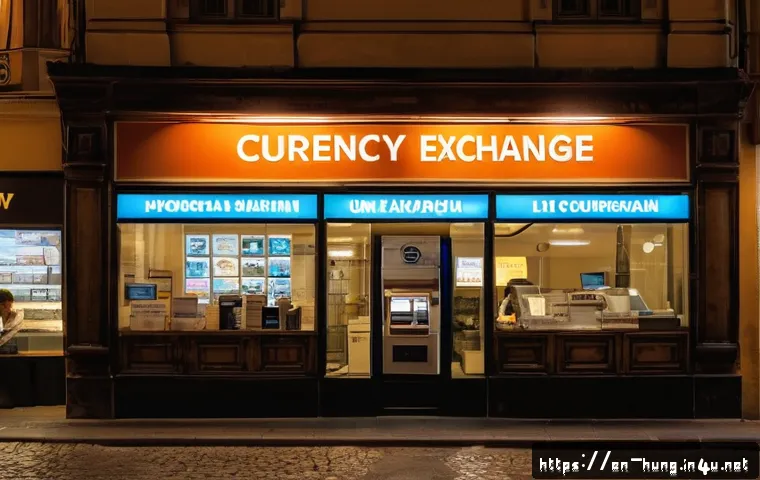
Exchange offices, known locally as “valutaváltó,” can be hit or miss. Some offer great rates, but others might have hidden fees or push you to accept less favorable terms.
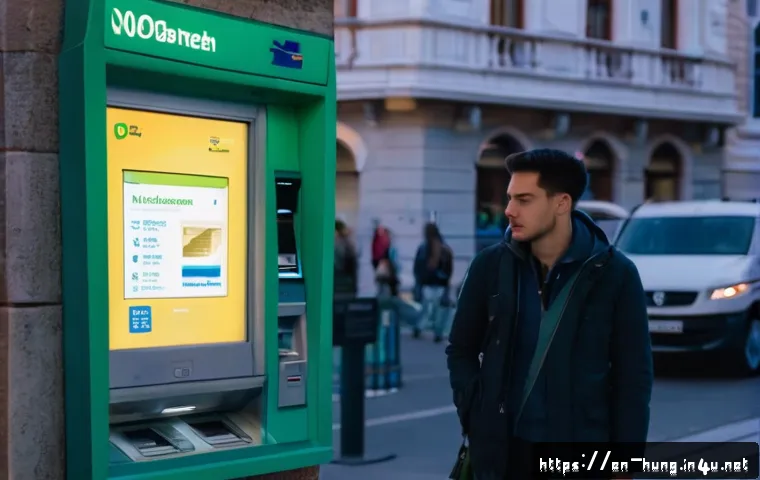
ATMs often give competitive rates with a small foreign transaction fee, but it depends on your bank back home. Personally, I found that using ATMs in Budapest gave me a decent rate without the hassle of negotiating, but I avoided airport exchanges completely.
Tips for Avoiding Hidden Fees and Poor Rates
One sneaky trap travelers often fall into is the “commission-free” exchange office that compensates with a worse exchange rate. Always ask for the final amount you’ll receive in forints before handing over your cash.
Also, keep an eye out for additional fees that may not be obvious at first glance. If you’re using an ATM, check with your bank about international withdrawal fees and whether your card offers fee reimbursements.
Another useful trick is to avoid dynamic currency conversion—where the machine offers to charge you in your home currency instead of forints—which almost always results in a worse rate.
From my experience, sticking with local currency withdrawals saved me a noticeable chunk of money during my trip.
How to Spot a Trustworthy Exchange Service
Hungarian cities like Budapest have plenty of exchange options, but not all are trustworthy. Look for places with official licenses displayed, often indicated by signs like “MNB” (Magyar Nemzeti Bank, Hungary’s central bank) approval.
Customer reviews and word of mouth are invaluable; I once stumbled upon a small but reputable valutaváltó thanks to a local café owner’s recommendation, which ended up giving me a better rate than bigger, more touristy spots.
Also, avoid street vendors or unofficial exchangers offering deals that seem too good to be true—chances are they are.
Timing Your Currency Exchange for Maximum Value
Why Monitoring Exchange Rates Matters
Exchange rates fluctuate daily, sometimes even hourly. Keeping an eye on the forint’s strength against your home currency before and during your trip can help you time your exchanges better.
For example, if you notice the forint weakening, that might be a good moment to convert a bigger chunk of cash. On the other hand, if the forint is strong, it might be better to hold off or use cards directly.
I personally use currency tracking apps that send alerts, so I can act quickly when the rates move in my favor.
Best Times and Places to Exchange Cash During Your Trip
Avoid exchanging large sums right after arrival, especially at airports or train stations, where rates are notoriously poor. Instead, wait until you’re in the city center or close to your accommodation to find a better rate.
Weekdays often provide more stable rates and better service than weekends or holidays when some exchange offices might close early or charge extra. Based on my recent trip, I saved a noticeable amount by exchanging smaller amounts gradually, rather than all at once, which helped me adapt to the rate fluctuations.
Using Credit and Debit Cards as a Currency Strategy
While cash is king in many rural areas and smaller shops, cards are widely accepted in Budapest and other urban centers. Using a credit card with no foreign transaction fees can be a smart way to avoid frequent cash exchanges altogether.
Some cards even offer travel rewards or cashback on foreign spending, which adds extra value. When using debit cards, choosing the local currency option at payment terminals avoids the dreaded dynamic currency conversion, ensuring you get the best exchange rate possible.
I found that combining card payments with occasional cash withdrawals offered the best balance of convenience and cost savings.
Understanding Hungary’s Currency and Payment Culture
Why Forints Are Still Essential
Although Hungary is part of the EU, it hasn’t adopted the euro, so the forint (HUF) remains the official currency. This means you’ll need local currency for most everyday transactions, especially outside Budapest.
Many smaller shops, markets, and public transport still rely heavily on cash, and some places don’t accept cards at all. When I visited rural areas like Lake Balaton, I quickly learned that having enough forints on hand was crucial for a smooth experience.
Common Payment Methods and Their Acceptance
Credit and debit cards are widely accepted in hotels, restaurants, and major stores in Budapest. Contactless payments and mobile wallets like Apple Pay or Google Pay are also gaining traction.
However, cash remains the preferred method for street vendors, taxis, and small family-run businesses. If you’re planning to explore beyond the capital, always carry some cash to avoid inconvenience.
From personal experience, I kept about 30-40% of my travel budget in cash and used cards for the rest, which worked perfectly.
How to Avoid Overpaying with Currency Misunderstandings
Hungarians use forints in thousands, so prices can look intimidating at first glance. For example, a coffee might cost 600 HUF, which can feel like a lot if you’re used to smaller denominations.
To avoid confusion, familiarize yourself with common price points and carry a currency conversion app on your phone. I once almost overpaid at a market because I misread the price tags, so taking a moment to double-check saved me money and embarrassment.
Smart Money Management Tips for Your Hungarian Adventure
Budgeting With Currency Exchange in Mind
Setting a daily spending limit in forints can help you avoid overspending, especially when fluctuating exchange rates might give you a false sense of abundance.
I recommend calculating your budget in your home currency first, then converting it into forints to get a tangible sense of what you can spend. Keeping track of your expenses in forints also helps you stay aware of how much you have left.
Using budgeting apps that support multi-currency tracking proved invaluable during my trip.
How to Safely Carry and Store Hungarian Forints
Carrying large sums of cash can be risky, so it’s best to split your money into smaller amounts and store them in different places, like a money belt, hotel safe, and wallet.
I usually keep enough cash for the day on me and stash the rest safely back at my accommodation. Using RFID-blocking wallets adds an extra layer of security against electronic theft, which is a smart precaution in busy tourist areas.
Alternatives to Cash for Convenience and Security
If you prefer to minimize cash, consider prepaid travel cards or multi-currency accounts that let you load money before your trip and spend it abroad without hefty fees.
These solutions often provide better rates than traditional currency exchange and can be managed via smartphone apps. I tried a prepaid travel card on my last trip and found it convenient for both budgeting and security, especially when traveling between cities.
Hidden Costs and Currency Exchange Scams to Watch Out For
Recognizing Common Scam Tactics
One of the biggest risks when exchanging money abroad is falling victim to scams. Common tricks in Hungary include receiving counterfeit bills, being shortchanged, or being pressured into accepting a worse rate.
Always count your money carefully before leaving the counter, and if something feels off, don’t hesitate to walk away. I once noticed a small discrepancy at a valutaváltó and politely declined the exchange, which turned out to be a wise move.
How to Protect Yourself When Using Exchange Services
Stick to well-known banks or licensed exchange offices, and avoid street offers that seem too good to be true. Keep your receipts for every transaction, as they can be useful if you encounter problems.
If you suspect a scam, report it to local authorities or consumer protection groups. During my travels, I always kept my exchange receipts and found them helpful when reconciling my expenses later.
What to Do If You Encounter a Problem
If you realize you’ve been shortchanged or given fake currency, stay calm and return to the place immediately if possible. Many reputable places will correct honest mistakes, but if you’re dealing with a scammer, it’s better to report the incident and move on.
Keeping a small amount of emergency cash separate can also help you avoid panic in such situations. I once had a minor issue with a miscounted bill and was relieved that the exchange office fixed it quickly after I pointed it out politely.
Currency Exchange Summary: Where and How to Get the Best Deal
| Method | Pros | Cons | Best Use |
|---|---|---|---|
| Banks | Reliable rates, secure | Limited hours, sometimes slow | Larger exchanges, official transactions |
| Exchange Offices (Valutaváltó) | Convenient locations, competitive rates possible | Hidden fees, variable trustworthiness | Small to medium exchanges in city centers |
| ATMs | Good rates, easy access | Withdrawal fees, daily limits | Quick cash needs, moderate amounts |
| Airport Kiosks | Convenience | High fees, poor rates | Small emergency amounts only |
| Prepaid Travel Cards | Security, budgeting ease, good rates | Setup required before travel | Cash alternative, longer trips |
Conclusion
Exchanging money in Hungary requires a bit of planning and awareness to get the best value. By choosing trustworthy exchange points, timing your transactions wisely, and understanding local payment habits, you can avoid unnecessary fees and enjoy a smoother travel experience. Combining cash with card payments proved to be the most practical approach during my trips. Remember, staying informed and cautious goes a long way in managing your finances abroad.
Useful Tips to Keep in Mind
1. Always check the final amount you’ll receive before completing any currency exchange to avoid hidden fees.
2. Avoid airport kiosks for exchanging large sums since their rates are usually unfavorable.
3. Use ATMs that dispense local currency and steer clear of dynamic currency conversion to save money.
4. Carry a mix of cash and cards, especially when traveling outside major cities where cash is preferred.
5. Keep all your exchange receipts and count your money carefully to protect yourself from scams.
Key Takeaways
When exchanging money in Hungary, prioritize licensed banks or reputable exchange offices with clear authorization. Timing matters—monitor exchange rates to maximize value and avoid rushing into large exchanges upon arrival. Use credit or debit cards wisely to minimize fees, and always carry enough forints for cash-only situations. Finally, stay vigilant against common scams by double-checking your transactions and keeping proof of exchange.
Frequently Asked Questions (FAQ) 📖
Q: What is the best way to exchange money when arriving in Hungary to get the most forints?
A: From my experience, avoid exchanging money at airports or hotels—they tend to offer poor rates and high fees. Instead, look for reputable exchange offices in city centers or use ATMs linked to major banks, which usually provide better rates and lower commissions.
Just be sure to check with your home bank about any withdrawal fees before you travel. Also, having a mix of cash and cards helps you stay flexible and avoid unnecessary charges.
Q: Are credit cards widely accepted in Hungary, or should I carry mostly cash?
A: Credit and debit cards are accepted in most places, especially in Budapest and tourist hotspots, but when venturing into smaller towns or rural areas, cash is king.
I found that some local markets, small cafes, or public transport prefer cash payments. Carrying some Hungarian forints on you is wise, but don’t overdo it—exchanging only what you need helps minimize risks and fees.
Q: How can I avoid hidden fees or poor exchange rates when converting my money in Hungary?
A: One tip that really helped me was to always ask about the total cost upfront, including any commissions or service charges. Some exchange offices advertise great rates but tack on fees at the counter.
Also, avoid dynamic currency conversion when paying by card; always choose to pay in forints to get a better exchange rate. Finally, keep an eye on the daily exchange rate trends before you exchange, so you have a sense of what’s fair and can spot a bad deal quickly.