Have you ever wondered what truly defines Hungary’s vibrant culture? In recent years, there’s been a remarkable resurgence of interest in Hungary’s folk music and traditional dances, captivating audiences worldwide.
These timeless art forms don’t just entertain—they tell stories of generations, echoing the soul of a nation rich in history and passion. Whether you’re a music lover or a curious traveler, diving into Hungary’s folk traditions offers an unforgettable journey into its heart.
Let’s explore how these enchanting rhythms and movements continue to inspire and connect people today.
Roots and Revival: The Enduring Pulse of Hungary’s Artistic Heritage
The Heartbeat of Rural Communities
The essence of Hungary’s traditional arts beats strongest in its rural villages, where folk music and dance have been passed down through generations almost like a living language.
These communities have long served as the guardians of ancient melodies and steps that carry stories of everyday life—love, hardship, celebration, and faith.
Walking through the countryside, you can almost hear the faint echoes of fiddles and cimbaloms, instruments that shape the distinct sound of Hungarian folk tunes.
What’s fascinating is how these traditions are not frozen in time; they evolve subtly with each performance, adapting to new rhythms while honoring their roots.
Modern Enthusiasm Breathing New Life
In recent decades, there’s been a notable surge in interest among younger Hungarians and international audiences alike. Festivals dedicated to folk traditions have grown exponentially, drawing crowds eager to experience authentic performances.
What I’ve noticed personally is how this revival is not just about preservation but about reinvention. Contemporary musicians and dancers often fuse traditional elements with modern genres, making the culture accessible and exciting for a broader audience.
This blend has sparked a wave of creativity, ensuring that these art forms remain relevant and vibrant.
Community and Identity Through Performance
Participating in or watching folk performances offers more than entertainment; it’s a shared experience that reinforces community bonds. Many performers describe their art as a way to connect with their ancestors and express a collective identity.
The dances, often performed in groups, symbolize unity and cooperation, while the music’s intricate rhythms challenge both performers and listeners to engage deeply.
It’s a cultural dialogue that crosses generations, keeping the national spirit alive and resonant.
A Symphony of Instruments: Exploring Hungary’s Unique Soundscape
Traditional Instruments That Tell a Story
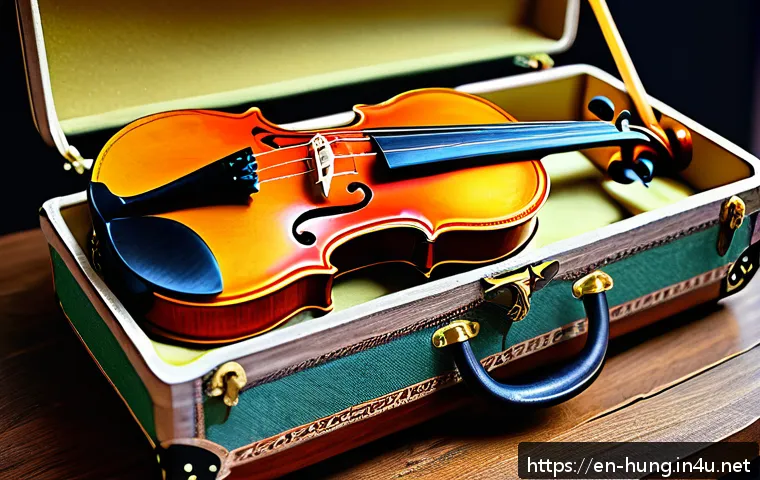
Hungarian folk music is instantly recognizable thanks to its distinctive instruments. The violin, or fiddle, is the star in many compositions, delivering melodies that can be haunting or joyful.
Alongside it, the cimbalom—a hammered dulcimer—adds a shimmering texture that’s both melodic and percussive. Other instruments like the kontra (a three-string viola) and the tárogató (a woodwind) enrich the sonic palette.
Each instrument carries a history of craftsmanship and regional variation, contributing to the music’s rich tapestry.
Regional Variations and Styles
Not all Hungarian folk music sounds the same; different regions boast unique styles shaped by geography and cultural influences. For example, the music from Transdanubia tends to be lively and fast-paced, while the melodies from the Great Plain region are often more melancholic and slow.
This diversity reflects Hungary’s complex history of migrations and cultural exchanges, making the folk music scene incredibly layered and dynamic.
The Role of Improvisation
Improvisation plays a vital role in Hungarian folk music performances, especially among solo instrumentalists. Musicians often start with a traditional tune but add their own flourishes and variations, creating a fresh interpretation every time.
This spontaneity breathes life into the music, making each performance a unique encounter. From my experience attending live folk concerts, this element of unpredictability heightens the emotional impact and draws the audience closer to the performers.
The Dance Floor as a Storybook: Movements That Speak
Symbolism in Every Step
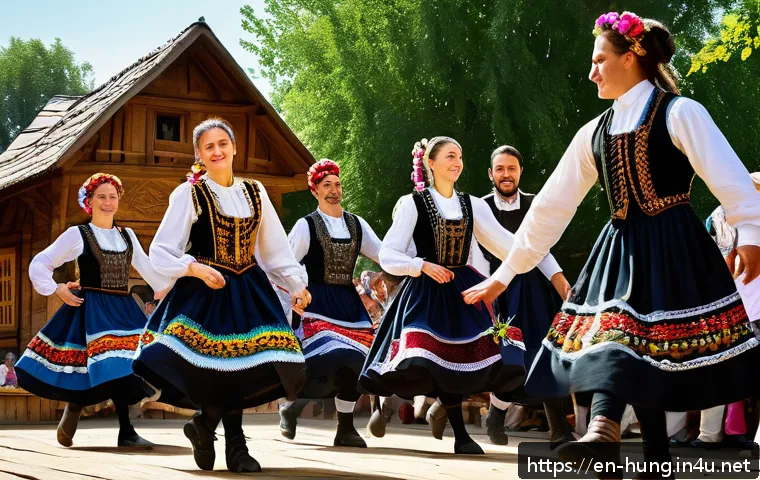
Hungarian traditional dances are far more than choreographed steps—they’re narratives told through movement. Each gesture and sequence carries symbolic meaning, often tied to local customs or historical events.
For example, certain hand movements might represent courtship rituals, while energetic footwork can mimic the rhythms of daily labor or celebration. Observing these dances, you can’t help but sense the deep connection between physical expression and cultural memory.
Learning the Craft: From Village Halls to Urban Studios
While folk dance originates in rural contexts, today many urban dance studios offer classes to preserve and promote these traditions. This accessibility allows people from all walks of life to learn the intricate steps and understand their significance.
I’ve seen firsthand how newcomers initially struggle with the complexity but gradually develop a profound appreciation for the art form. This bridging of rural origins and city life helps sustain the tradition in a modern context.
Community Celebrations and Dance Competitions
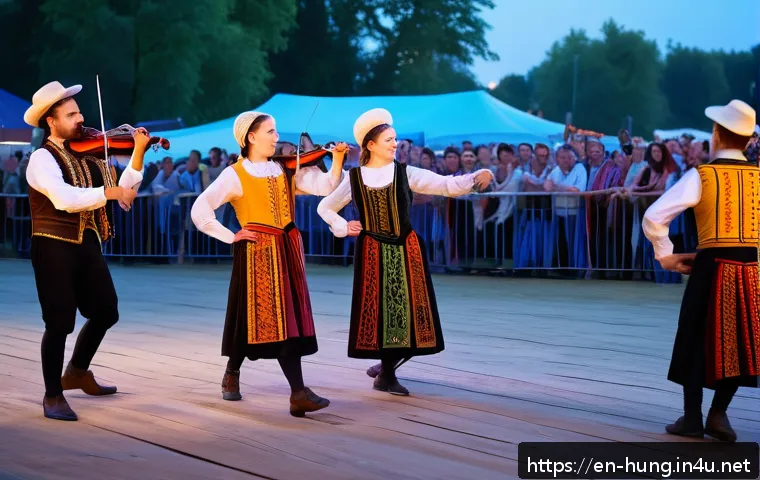
Festivals and competitions provide vibrant platforms for showcasing Hungarian folk dances. These events are lively affairs where communities come together, wearing traditional costumes and sharing food, music, and stories.
The friendly rivalry in dance contests pushes performers to excel while fostering camaraderie and cultural pride. Attending one of these festivals is like stepping into a living museum where history, art, and social life blend seamlessly.
From Local to Global: Hungary’s Cultural Influence Abroad
International Folk Festivals and Collaborations
Hungarian folk music and dance have found enthusiastic audiences worldwide through international folk festivals. These gatherings serve as cultural exchanges, where Hungarian artists collaborate with performers from other countries, blending styles and sharing techniques.
I’ve noticed that such cross-pollination not only spreads Hungary’s heritage but also enriches global folk traditions, creating exciting new hybrids while respecting original roots.
Educational Programs Promoting Cultural Awareness
Many universities and cultural institutions outside Hungary now include courses and workshops dedicated to Hungarian folk arts. These programs often invite master artists from Hungary, providing students with authentic experiences.
This educational outreach plays a crucial role in preserving the traditions and expanding their appreciation among diverse populations. Personally, I find that learning about these arts in an academic setting deepens my understanding beyond surface-level enjoyment.
Digital Platforms Amplifying Reach
The rise of social media and streaming platforms has dramatically increased the visibility of Hungarian folk traditions. Performances, tutorials, and documentaries can reach millions globally, making it easier for enthusiasts to discover and engage with this vibrant culture.
Watching videos of traditional dance performances from the comfort of home has been a game-changer for many, including myself, sparking new interest and participation even far from Hungary.
Preserving Tradition in a Changing World
Challenges Faced by Traditional Artists
Despite the resurgence of interest, traditional artists face challenges such as funding shortages, modernization pressures, and dwindling rural populations.
Many folk musicians and dancers must balance preserving authenticity with adapting to contemporary tastes, a difficult tightrope walk. I’ve spoken with artists who express concern about losing the depth of their heritage amid commercialization but also optimism about new opportunities.
Role of Government and NGOs
Hungarian government bodies and non-governmental organizations actively support folk arts through grants, festivals, and educational initiatives. These efforts are crucial in sustaining the infrastructure needed for training, performance, and documentation.
From what I’ve observed, this institutional backing provides a safety net that encourages younger generations to embrace their cultural heritage without sacrificing innovation.
Community-Led Preservation Efforts
Many preservation efforts are grassroots, driven by passionate communities dedicated to keeping their traditions alive. Local clubs, family groups, and cultural centers organize workshops, rehearsals, and events that nurture a sense of belonging and pride.
This bottom-up approach ensures that folk arts remain connected to their authentic sources, fostering resilience against the homogenizing forces of globalization.
Understanding the Language of Tradition: Costume and Storytelling
The Visual Poetry of Traditional Attire
Traditional Hungarian costumes are masterpieces of design and symbolism, each region boasting distinct styles that reflect local identity. Embroidery patterns, colors, and fabrics tell stories about social status, marital status, and historical influences.
Experiencing a folk event is not complete without appreciating these costumes, which add a visual richness that complements the music and dance. I recall attending a festival where the intricate beadwork and vibrant skirts made the performances even more mesmerizing.
Storytelling Through Song and Dance
Beyond the visual and musical elements, storytelling remains a core function of Hungary’s folk traditions. Songs often recount legends, historical events, or moral lessons, while dances dramatize these narratives physically.
This multi-layered storytelling offers a powerful way to connect audiences with the past and with each other, transcending language barriers through universal emotions.
Passing Down the Legacy
The transmission of stories and customs happens primarily through oral tradition and participatory learning. Elders teach the young not just the steps or tunes but the meanings behind them, ensuring cultural continuity.
Having participated in one such workshop, I was struck by how this personal mentorship creates bonds across generations, turning cultural preservation into a shared, living experience.
| Aspect | Description | Significance |
|---|---|---|
| Instruments | Fiddle, cimbalom, kontra, tárogató | Define the distinctive sound and regional variations |
| Dance Styles | Energetic, symbolic, regionally diverse | Express community stories and social bonds |
| Costumes | Intricate embroidery, color-coded by region | Visual storytelling and identity markers |
| Performance Settings | Festivals, competitions, village gatherings | Community cohesion and cultural revival |
| Modern Adaptations | Fusion with contemporary music and media | Ensures relevance and broader appeal |
In Conclusion
Hungary’s artistic heritage thrives through a dynamic blend of tradition and innovation, deeply rooted in community life. Its folk music, dance, and costumes tell stories that connect generations while adapting to modern influences. Experiencing these living traditions reveals a culture that honors its past yet embraces the future with creativity and passion.
Helpful Information
1. Traditional Hungarian instruments like the fiddle and cimbalom create a unique sound that varies by region.
2. Folk dances are rich in symbolism and often performed in community settings, reinforcing social bonds.
3. Modern adaptations, including fusion with contemporary music, help keep these traditions relevant to younger audiences.
4. International festivals and educational programs play a key role in spreading awareness and appreciation worldwide.
5. Community-driven efforts, supported by government and NGOs, are vital to preserving authenticity amid changing times.
Key Takeaways
Hungary’s folk arts represent more than cultural artifacts; they are living expressions of identity and history. The balance between preserving tradition and embracing modernity ensures their continued vitality. Support from both local communities and broader institutions is essential to maintain this rich heritage for future generations. Engaging with these arts provides a meaningful connection to Hungary’s past and a vibrant cultural experience today.
Frequently Asked Questions (FAQ) 📖
Q: uestions about Hungary’s Folk Music and Traditional DancesQ1: What makes Hungarian folk music and dances unique compared to other European traditions?
A: Hungarian folk music and dances stand out due to their distinctive rhythms, intricate melodies, and deeply emotional expression. Unlike many Western European traditions, Hungarian folk tunes often use asymmetric meters, creating lively and unexpected beats that captivate listeners.
The dances themselves are vibrant and energetic, often involving complex footwork and expressive gestures that tell stories about everyday life, love, and history.
Experiencing these performances firsthand reveals a passion and intensity that feels both ancient and alive.
Q: How can travelers experience authentic Hungarian folk culture during a visit?
A: The best way to immerse yourself in Hungarian folk culture is by visiting local festivals, village fairs, or cultural centers where traditional music and dance are performed live.
Cities like Budapest also host regular folk dance evenings and concerts in venues that preserve these art forms authentically. I personally found attending a small village festival outside Budapest unforgettable — the warmth of the community combined with the music created an atmosphere that felt deeply genuine.
Additionally, museums dedicated to folk art often offer workshops where visitors can learn dances or try traditional instruments.
Q: Why is there a renewed global interest in Hungarian folk traditions today?
A: The resurgence in Hungarian folk traditions is fueled by a growing global appreciation for cultural roots and authentic experiences. In today’s fast-paced world, people crave connection to history and identity, and Hungarian folk music and dance provide that in a powerful, accessible way.
Modern artists are also blending these traditional elements with contemporary styles, making the culture appealing to younger generations worldwide. From my observation, this revival isn’t just about preservation—it’s about celebrating a living, evolving heritage that continues to inspire and unite people across borders.