Navigating Budapest’s metro system is a unique way to experience the city’s blend of history and modernity. With its distinct lines connecting vibrant neighborhoods and key landmarks, the Budapest Metro offers both convenience and charm.
Whether you’re a daily commuter or a curious traveler, understanding its routes can transform your city exploration. The network’s rich history as Europe’s oldest electrified underground railway adds an extra layer of fascination.
Let’s dive deeper and uncover everything you need to know about Budapest’s metro lines to make your journey smooth and enjoyable. I’ll guide you through the details with clarity and confidence!
Understanding the Heart of Budapest’s Metro Network
The Core Connectivity of the Metro Lines
Budapest’s metro system is cleverly designed to weave through the city’s most vibrant and essential areas, making it an indispensable mode of transportation for locals and tourists alike.
The network’s lines intersect at key hubs, allowing passengers to transfer easily and reach destinations with minimal hassle. For instance, if you find yourself near the grand Chain Bridge, hopping on the metro can whisk you across the Danube to the historic Buda Castle district in a matter of minutes.
The convenience of these connections is something I’ve personally appreciated while exploring the city, especially when time was tight and walking wasn’t an option.
It’s a system that respects Budapest’s geography and urban layout, blending efficient routing with a touch of charm.
Key Transfer Points and What to Expect
Navigating the metro is not just about knowing the lines but also understanding where and how to change trains. Stations like Deák Ferenc tér act as major interchange points where multiple lines converge, creating a bustling hub of activity.
During rush hours, these transfer stations can get crowded, but the signage is clear and multilingual, which helped me stay calm and oriented even when the platform was packed.
These transfer points are also great spots to take a quick break, grab a coffee from nearby kiosks, or even enjoy some street performances that occasionally pop up in the station’s corridors.
Knowing these transfer spots enhances your metro experience and saves a lot of confusion.
Insights on Train Frequency and Service Hours
One of the things that caught my attention is how reliable the metro trains are in Budapest. During peak hours, trains arrive every 2 to 4 minutes on most lines, meaning you rarely have to wait long.
Late at night, the frequency decreases, but the system still runs until around midnight, which is quite convenient for night owls or late-night travelers.
On weekends and public holidays, service hours and frequencies might vary slightly, so it’s a good idea to check updated schedules if you’re planning to use the metro late in the evening.
The punctuality and frequency contribute heavily to the system’s popularity among locals, myself included.
Exploring the Metro’s Historic Charm and Modern Upgrades
The Legacy of Europe’s Oldest Underground Railway
The Budapest Metro isn’t just a transport system; it’s a living piece of history. Being the oldest electrified underground railway in continental Europe, it has a fascinating backstory that adds depth to every journey.
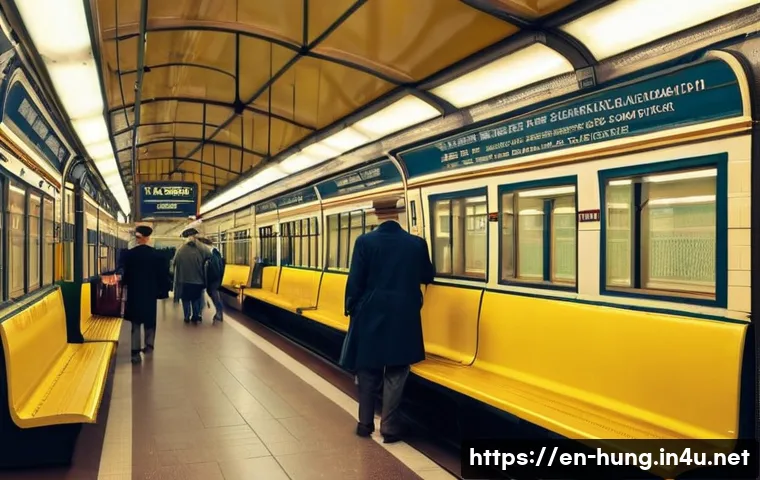
When I first stepped onto the yellow M1 line, I was struck by the vintage design elements preserved inside some stations. The tiled walls, classic signage, and old-world charm make it feel like traveling back in time while still enjoying the benefits of modern transportation.
This blend of old and new creates a unique atmosphere you won’t find in many other cities, and it definitely enriched my appreciation for Budapest’s cultural heritage.
Recent Modernizations That Elevate the Experience
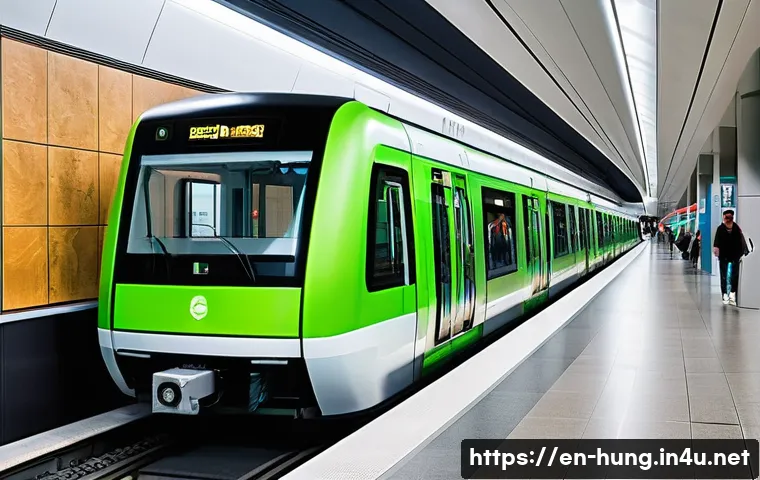
While preserving its historical character, the Budapest Metro has not shied away from modernization. Newer lines boast sleek, modern trains with air conditioning, real-time digital displays, and improved accessibility features for travelers with reduced mobility.
I noticed these upgrades firsthand on the M4 line, which feels more like a contemporary metro system you’d find in other major European capitals. These improvements make the metro more comfortable and user-friendly, especially for visitors who might be navigating the city for the first time.
The blend of history and modern convenience creates an appealing contrast that keeps the metro system both efficient and charming.
Making Sense of Ticketing and Fare Options
Understanding the Ticket Types and Pricing
Budapest’s metro ticketing system is straightforward but offers several options to suit different types of travelers. From single-ride tickets to day passes and even longer-term travel cards, there’s a fare for every need.
When I was exploring for just a couple of days, a 24-hour travel card made the most sense—it allowed unlimited rides across all metro lines and other public transport modes.
Prices are quite reasonable compared to other European cities, which makes it easy to justify frequent use. Tickets need to be validated before boarding, so don’t skip that step or you risk a fine.
I learned this the hard way during my first visit!
Where and How to Buy Tickets
Tickets can be purchased at vending machines located in every metro station, as well as at ticket counters staffed by helpful personnel. The machines support multiple languages, including English, which makes the process hassle-free for international travelers.
Additionally, mobile apps now offer the convenience of buying and validating tickets digitally, which I found especially useful when rushing to catch a train.
If you plan on using public transport extensively, it’s worth downloading the official Budapest transportation app. It not only simplifies ticketing but also provides real-time updates on train arrivals and service changes.
Tips for Avoiding Common Ticketing Pitfalls
One thing I noticed is that not all ticket options are available at every point of sale, especially for more complex fare types like weekly passes or tourist cards.
Planning ahead can save you from standing in long queues or facing confusion. Also, keep your validated ticket handy for the entire journey, as random inspections are quite common and fines for fare evasion are steep.
If you’re traveling with a group or family, look for discounted group tickets or family passes to save money. Being prepared and informed about the ticketing system can make your metro rides smoother and stress-free.
Tips for First-Time Riders and Tourists
How to Read Metro Maps Like a Local
Metro maps in Budapest are colorful and well-structured, but for newcomers, they can still seem overwhelming. My advice is to start by identifying your starting point and destination, then tracing the simplest route with the fewest transfers.
Many stations display tourist-friendly maps highlighting key landmarks near exits, which helped me plan detours for sightseeing without getting lost. Also, pay attention to line colors and station names, which are clearly marked in both Hungarian and English.
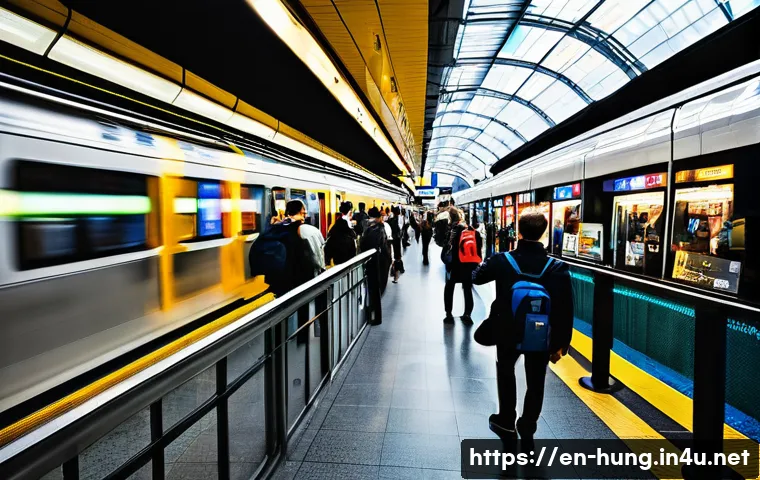
Taking a moment to familiarize yourself with the map before boarding really pays off and boosts your confidence navigating the system.
Best Times to Travel to Avoid Crowds
If you’re not on a tight schedule, try to avoid rush hours (roughly 7:30-9:00 AM and 4:30-6:00 PM) when the metro can be packed with commuters. I found that traveling mid-morning or early afternoon offered a more relaxed experience with plenty of seats available.
Weekends tend to be less crowded, but special events or festivals can cause spikes in passenger numbers. Using off-peak times not only makes your ride more comfortable but also allows you to enjoy the ambiance of stations and trains without the usual hustle.
Plus, it’s a great chance to snap some photos without jostling crowds!
Essential Etiquette for a Smooth Journey
Budapest locals are generally polite and respectful on the metro, and following a few simple etiquette rules goes a long way. For example, giving up seats to elderly passengers or pregnant women is expected and appreciated.
Keeping noise to a minimum, like lowering phone call volumes and avoiding loud conversations, helps maintain a pleasant atmosphere. I also noticed that eating and drinking are typically avoided inside metro cars, which keeps the trains clean and comfortable.
Adopting these local customs made my rides more enjoyable and helped me blend in with the everyday commuters.
Comparing Budapest’s Metro to Other European Systems
Unique Features That Set Budapest Apart
What stands out about Budapest’s metro compared to other European cities is its combination of historic charm and modern efficiency. Unlike the often sterile environment of newer metro systems, Budapest’s lines offer a glimpse into the city’s past, especially on the M1 line.
The relatively small size of the network makes it less intimidating for first-timers while still covering essential areas. I’ve ridden metros in cities like Paris and Berlin, and Budapest’s system strikes a balance between accessibility and character, which I found refreshing.
How Budapest’s Metro Handles Passenger Flow
Though smaller in scale, Budapest’s metro handles passenger flow impressively well. Stations are designed to accommodate peak loads without causing bottlenecks, and the frequent train arrivals ensure quick dispersal.
During my visits, even when trains were crowded, boarding and alighting were orderly thanks to clear platform markings and announcements. Compared to larger systems that can sometimes feel chaotic, Budapest’s metro offers a smoother, more user-friendly experience that newcomers will appreciate.
Cost Efficiency and Value for Visitors
When considering the cost of public transport in European capitals, Budapest’s metro is notably affordable. The ticket prices and travel passes provide excellent value, especially for tourists who want to explore extensively without worrying about transport expenses.
I remember comparing ticket costs in London and Paris, and Budapest’s fares were a pleasant surprise. This affordability, combined with the metro’s reliability, makes it an excellent choice for budget-conscious travelers who want to maximize their time and money.
Essential Safety Tips for Metro Travelers
Staying Alert and Secure During Your Ride
While Budapest is generally a safe city, it’s wise to stay alert when using the metro, especially during late hours or in less crowded stations. I always keep my belongings close and avoid displaying expensive items openly.
Pickpocketing can occasionally occur in busy areas, so a secure bag or backpack is a must. Being aware of your surroundings and trusting your instincts helped me avoid uncomfortable situations and enjoy my rides with peace of mind.
Emergency Procedures and Assistance
Budapest’s metro system is equipped with clear emergency instructions and help points scattered throughout stations and trains. In my experience, the staff are approachable and quick to assist if you ask for help.
If you find yourself in a tricky situation, look for the emergency intercoms or staff booths. The presence of CCTV cameras and regular patrols also adds to the feeling of security.
Knowing these safety features reassured me, especially when traveling during off-peak hours or unfamiliar routes.
Health Precautions and Accessibility
In recent years, Budapest has improved accessibility by installing elevators and ramps in many stations, though some older stations still pose challenges for travelers with mobility issues.
When I traveled with a friend using a wheelchair, we planned routes carefully to avoid stations without elevator access. Also, health measures like sanitation stations and mask recommendations during flu seasons or pandemics ensure a safer environment for all passengers.
Planning ahead and being mindful of your health needs makes navigating the metro safer and more comfortable.
| Metro Line | Color | Key Destinations | Operating Hours | Train Frequency (Peak) |
|---|---|---|---|---|
| M1 (Yellow Line) | Yellow | Heroes’ Square, City Park, Opera House | 4:30 AM – 11:30 PM | 2-3 minutes |
| M2 (Red Line) | Red | Keleti Railway Station, Deák Ferenc tér, Déli Railway Station | 4:30 AM – 11:30 PM | 2-4 minutes |
| M3 (Blue Line) | Blue | Nyugati Railway Station, Kőbánya-Kispest | 4:30 AM – 11:30 PM | 2-4 minutes |
| M4 (Green Line) | Green | Kelenföld Railway Station, Keleti Railway Station | 4:30 AM – 11:30 PM | 3-5 minutes |
Wrapping Up
Budapest’s metro system beautifully combines history with modern convenience, making it an essential part of the city’s charm and daily life. Whether you’re a first-time visitor or a seasoned traveler, understanding its layout, ticketing, and etiquette can greatly enhance your experience. I’ve found that taking the time to explore this network not only saves you time but also offers a unique window into Budapest’s culture and rhythm. So next time you visit, hop on the metro and enjoy the ride!
Useful Tips to Keep in Mind
1. Always validate your ticket before boarding to avoid fines and ensure a smooth journey.
2. Download the official Budapest transport app for easy ticket purchases and real-time updates.
3. Try to travel during off-peak hours to enjoy less crowded trains and a more relaxed atmosphere.
4. Familiarize yourself with key transfer stations like Deák Ferenc tér to navigate efficiently.
5. Respect local metro etiquette by keeping noise low and offering seats to those in need.
Key Takeaways
Budapest’s metro network offers a unique blend of historical charm and modern efficiency that makes exploring the city both practical and enjoyable. Its affordable fare system, reliable service, and well-marked transfer points create a user-friendly experience, especially for tourists. Staying alert and prepared with the right ticketing knowledge, travel timing, and etiquette ensures a safe and pleasant ride. Embracing these insights will help you make the most of your metro journeys in Budapest.
Frequently Asked Questions (FAQ) 📖
Q: How many metro lines are there in Budapest, and which areas do they cover?
A: Budapest’s metro system consists of four main lines—M1, M2, M3, and M4. The M1, also known as the Millennium Underground, is the oldest and runs beneath Andrássy Avenue, connecting the city center to City Park.
M2 links the eastern and western parts of the city, passing through major hubs like Deák Ferenc Square. M3 runs north to south, covering a large part of Pest, while M4 is the newest line, connecting the southwestern districts to the city center and the Keleti railway station.
Each line serves distinct neighborhoods, making it easy to reach key landmarks and vibrant areas across Budapest.
Q: Are Budapest metro tickets easy to purchase and validate?
A: Yes, buying and validating metro tickets in Budapest is quite straightforward. You can purchase tickets at vending machines located in every metro station, as well as at newsstands and ticket offices.
There are options for single rides, day passes, and longer-term travel cards depending on your needs. Once you have your ticket, you must validate it by inserting it into the small machines at the station entrance before boarding.
I found that having a travel card or a multi-day pass not only saves money but also speeds up your commute since you don’t have to buy a ticket every time.
Q: What should travelers know about safety and accessibility on Budapest’s metro?
A: Budapest’s metro is generally safe and well-maintained, but like any major city transport, it’s wise to stay aware of your surroundings, especially during peak hours.
Stations and trains are monitored with security cameras, and there’s usually staff present at busy stops. Accessibility has improved significantly—most stations have elevators or ramps, particularly on the newer lines like M4.
However, some older stations, especially on M1 and M3, might still have limited access for those with mobility challenges. I’ve personally noticed that planning your route ahead and choosing stations with better accessibility features makes a big difference if you’re traveling with luggage or strollers.