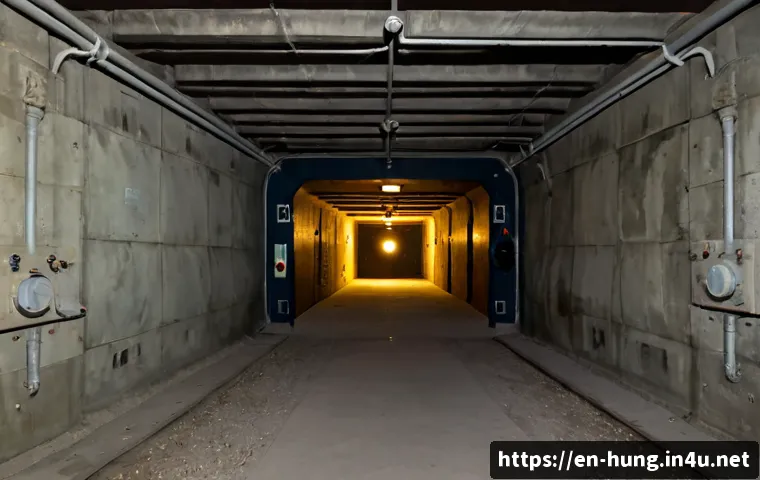
The reported “Storco” secret bunker in Hungary should not be treated as a visitor attraction until its spelling, exact location, owner, and access policy are independently confirmed.
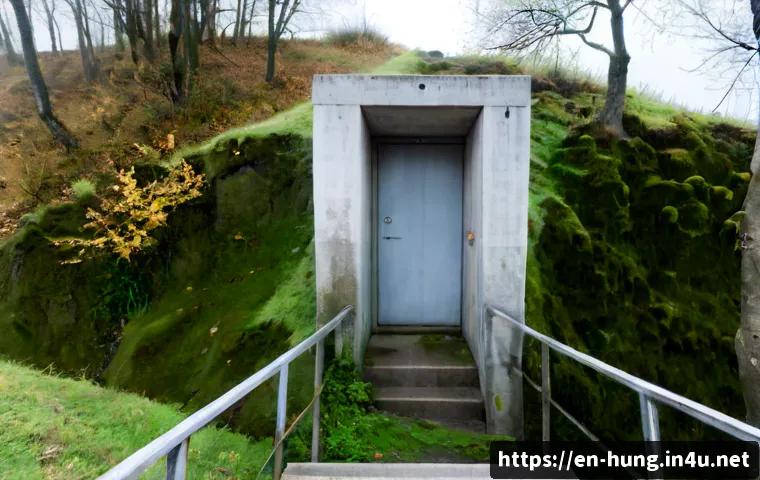
If you want a dependable Cold War history experience, a verified museum or licensed guided tour is usually the safer planning choice than following an unconfirmed map pin.
The name may be an alternate spelling, a local nickname, or an incomplete reference rather than an official site name. That makes verification more important than transport bookings, equipment purchases, or itinerary changes.
Compare tour formats by legal access, safety arrangements, language support, and what is included in the listed price. A careful approach can still lead to a rewarding Hungary history trip without entering restricted or unsafe underground spaces.
At a Glance
- The name “Storco” may be incomplete, misspelled, or an unofficial local reference.
- Confirm the municipality, operator, and visitor policy before arranging transport or a tour.
- For legal access and clearer safety information, choose a verified museum visit or licensed guide.
| Visit format | Best for | What to verify | Main caution |
|---|---|---|---|
| Verified museum or heritage site | History-focused travelers and first-time visitors | Official name, opening dates, admission rules, photography policy | Do not assume every historic underground site permits entry |
| Licensed local guide or private tour | Visitors wanting interpretation, transport help, or language support | Operator identity, route, group size, safety plan, inclusions | Check whether admission and transport are included |
| Unverified abandoned-site claim | Independent researchers only after confirmation | Ownership, written permission, legal access, current condition | Map pins and social posts do not establish permission or safety |
What Is Known About the Reported Bunker
The available claim connects a reported “Storco” secret bunker with Hungary, but the name itself is not confirmed as an official visitor-site name. Hungary has Cold War-era and civil-defense history that can be explored through legitimate museums and heritage locations. However, that broader historical context does not prove that a particular bunker reference is open, accurately named, or available for tours.
Start with the practical answer: treat “Storco” as a lead for research, not as a confirmed destination. A useful Hungary itinerary needs a specific location and a clear access arrangement, especially when underground structures are involved.
Why the Name May Require Spelling and Location Checks
A bunker name can change as it moves between local speech, travel posts, map listings, and translated search results. “Storco” could be an alternate spelling, a nickname, or an incomplete place name. It may also refer to something other than a publicly accessible historical site.
Before building a route around it, look for a matching municipality, a consistent site name, and an identifiable organization responsible for visitors. If different sources point to different towns or describe entirely different structures, pause rather than trying to reconcile the uncertainty with a long detour.
What Counts as Reliable Confirmation Before You Travel
Reliable confirmation should connect four points: the official or locally used site name, the municipality, the operator or owner, and the visitor-access policy. A verified museum, heritage organization, tourism office, or clearly identified tour operator can provide a stronger planning basis than a reposted image or unexplained coordinates.
Ask direct questions before booking: Is the site open to visitors? Is entry by appointment only? Is a guide required? Are photography, bags, lighting, or protective equipment restricted? Clear answers matter more than dramatic descriptions of a “secret” location.
Verify the Location, Access Rules, and Historical Status
The most important part of bunker travel planning is not finding the most intriguing map pin. It is confirming where you may legally go and whether a visit is actually being offered. Historical interest does not remove private-property boundaries or restricted-area rules.
Details to Confirm: Municipality, Operator, Opening Dates, and Entry Policy
Write down the municipality rather than relying on a broad “near Budapest” or “somewhere in Hungary” description. Then identify who manages the location, if anyone does. A visitor-ready site should be able to state its opening arrangement, entry procedure, and whether access is independent or guided.
For a museum visit or guided history tour, compare the details that shape the actual day: meeting point, duration, language availability, transport arrangement, admission procedure, and cancellation terms. If an operator lists a price in Hungarian forints, confirm what that price includes instead of assuming it covers every cost.
Red Flags in Map Listings, Social Posts, and Unofficial Directions
A map label alone is not proof of public access. Be cautious when a listing has no operator details, no visitor information, no opening guidance, or directions that end at a fence, service road, wooded area, or apparently private land.
Social posts can be useful clues, but they may be old, incomplete, or based on unauthorized entry. Treat instructions to bypass barriers, enter through gaps, go at night, or avoid staff as a reason not to proceed. Those directions may lead to trespassing, unstable conditions, or an active restricted area.
Guided Tour, Museum Visit, or Independent Research: A Comparison
There is no single best format for every Hungary bunker-history trip. The right choice depends on your tolerance for uncertainty, need for language assistance, transport confidence, and interest in historical interpretation. For most travelers, the value of a verified experience is clarity: you know where to go, who is responsible for access, and what conditions apply.
Safety, Cost, and Information Quality by Visit Format
A verified museum or heritage location is often the simplest option for visitors who want a scheduled experience and documented context. It may be especially suitable if you prefer predictable admission procedures and do not want to arrange specialist equipment.
A licensed local guide can be a better fit when you want a more focused Cold War history route, help navigating local transport, or explanations in a language you understand. The guide fee may cover expertise, planning, or transport coordination, but you should confirm each inclusion. An independent research approach can cost less in direct booking terms, yet it carries more uncertainty and should never mean entering an unverified underground structure without permission.
When Paying for a Licensed Guide Provides Better Value
A guided tour may offer better value when the location is difficult to verify independently, when the route involves multiple stops, or when language support affects your ability to understand rules and historical material. It can also reduce the chance of wasting a day on an inaccessible site.
Before choosing a guide, compare the legal access arrangement, historical focus, group format, and transport details. Look for a clear explanation of what the tour covers rather than promises of hidden access or exclusive entry to a place with unclear ownership. Check the operator’s official information page for current conditions and booking details.
Plan the Practical Costs of a Hungary Bunker-History Trip
A realistic budget is easier to build when you separate expenses rather than relying on one advertised tour price. Costs may be quoted in Hungarian forints (HUF), and the final amount can depend on your starting city, transport choice, admission arrangement, guide format, and insurance needs.

Typical Budget Categories in HUF: Transport, Admission, Guide, and Insurance
Use a simple list for planning: local or intercity transport, museum admission or site entry, a guide fee if applicable, food during the outing, and travel insurance. You may also need to consider equipment only if the verified operator specifically requires it. Do not buy specialist underground gear merely because an online claim presents a site as abandoned or difficult to reach.
For a private or small-group experience, ask whether the quoted HUF amount includes transport, entry, interpretation, and any required reservations. For a museum, check whether admission is separate from a guided visit. For travel insurance, review the policy terms carefully; do not assume it covers activities at restricted, unauthorized, or unsafe locations.
How to Compare Tour Inclusions Without Assuming a Listed Price Is Current
Tour schedules, ticket prices, and operating conditions can change. Instead of comparing only the headline price, compare the same categories across each option: meeting location, transport, admission, guide service, language, duration, and cancellation terms.
Ask whether the visit is confirmed only after booking or whether it depends on minimum attendance, site availability, or weather-related conditions. If a listing does not identify the exact destination or makes access sound deliberately vague, it is not a strong basis for a prepaid travel plan.
Legal and Safety Precautions for Underground Sites
Underground history sites require a higher standard of caution than a normal city walk. A structure may be abandoned in appearance while still being privately owned, operational, restricted, or physically hazardous. Permission is the starting point, not an optional extra.
Permission, Private Property, and Restricted-Area Considerations
Do not enter a bunker, tunnel, shelter, or underground facility unless you have clear permission from the responsible owner or operator. A former military or civil-defense purpose does not automatically make a place public. If access rules are uncertain, choose a verified museum or postpone the visit until you can obtain dependable confirmation.
This approach also protects your broader trip. A denied entry, unexpected closure, or confrontation at private property can disrupt transport plans and leave you without a practical alternative for the day.
Why Abandoned Underground Spaces Need More Than Basic Hiking Gear
Basic outdoor gear does not make an unknown underground space suitable for entry. Conditions can include poor visibility, unstable surfaces, blocked exits, water, debris, poor air quality, or a lack of communication. A phone flashlight and sturdy shoes are not a substitute for a managed route, trained supervision, or site-specific safety procedures.
For an authorized underground visit, follow the operator’s instructions on footwear, lighting, bags, photography, and group movement. If no responsible party provides instructions, that absence is itself a useful warning sign.
Selection Criteria and Comparison Summary
Choose based on the decision points that affect the trip, not on the most dramatic bunker description. First, confirm the official name and municipality. Second, verify legal visitor access and identify the operator. Third, compare language support, transport needs, historical depth, and the full list of HUF cost categories. Fourth, check whether admission, guide service, and insurance conditions are separately stated. Finally, reject any plan that depends on bypassing barriers or entering an unconfirmed site.
For history-focused visitors, a verified museum or heritage location is usually the clearest choice. For photographers, confirm the photography policy before traveling. For cautious first-time travelers, a licensed guide with a stated route and access arrangement may be worth considering. Official visitor information and detailed tour conditions should be checked on the relevant operator page before you book.
In Closing
The reported “Storco” bunker is not a destination to assume is open simply because it appears in a search or social post. The responsible route is to verify the name, municipality, operator, and access policy before committing time or money. Hungary offers legitimate ways to explore Cold War and civil-defense history, and those options can provide stronger context with fewer legal and safety concerns. A well-checked plan is more likely to produce a useful history visit than an improvised search for an unverified entrance.
Useful Information to Keep in Mind
1. Save the municipality and operator contact details, not just a map pin.
2. Keep transport, admission, guide fees, and insurance as separate HUF budget lines.
3. Confirm the tour language if interpretation matters to your visit.
4. Check photography rules before bringing specialized camera equipment.
5. Have a verified museum or heritage stop as a backup if access cannot be confirmed.
Important Notes
The spelling, exact location, ownership, operating status, ticket prices, schedules, photography rules, and safety conditions of the reported “Storco” bunker require confirmation. This information does not establish that the site is a public attraction or that entry is permitted. Current details should come from an identifiable operator, owner, official visitor source, or licensed guide before travel.
Frequently Asked Questions
Q1. Is the “Storco” secret bunker in Hungary open to visitors?
A1. That is not confirmed. “Storco” may be an alternate spelling, local nickname, or incomplete name. Confirm the municipality, operator, ownership, and visitor policy before planning a visit or booking transport.
Q2. How can I confirm whether a bunker tour in Hungary is legitimate and safe?
A2. Look for an identifiable operator, a specific meeting point, a stated route or destination, clear access rules, current booking conditions, and an explanation of what is included. Avoid tours or directions that encourage unauthorized entry, barrier bypassing, or vague “secret location” claims.
Q3. Is a guided bunker or Cold War history tour worth the extra cost in Hungary?
A3. It can be worthwhile when it provides verified legal access, historical interpretation, language support, or transport coordination. Compare the guide fee with what is included, such as admission, travel arrangements, duration, and safety information, rather than judging only the headline price.